
Which Inspection is Right for You: A Complete Guide for Homeowners
Choosing which inspection is right for you is one of the most important steps for homeowners, whether buying or selling a property. A proper full home inspection or four-point inspection can uncover hidden issues in electrical, plumbing, HVAC, and roofing systems, helping buyers avoid unexpected repairs. Sellers benefit from a pre-listing inspection by identifying and fixing problems before listing, improving negotiation power and buyer confidence.
Understanding home inspection types and reviewing detailed inspection report details allows homeowners to make informed decisions, protect their investment, and plan for long-term maintenance. In Naples, FL, careful inspection selection is especially critical due to coastal weather impacts.
Understanding Home Inspections
A home inspection provides a detailed evaluation of a property’s condition, offering buyers and sellers a factual basis for decision-making. Inspections cover multiple elements, including electrical systems, plumbing, heating, ventilation, air conditioning, roofing, and structural components. Understanding differences between home inspections allows homeowners to match their needs with the appropriate service.
In Naples, FL, coastal weather often accelerates wear on roofing and wooden structures, making inspections crucial for identifying hidden damage early. Pre-listing inspections, four-point inspections, and full inspections each serve different purposes. Benefits of home inspections include risk reduction, informed negotiation, and long-term financial security for both buyers and sellers.
Home inspections also offer legal and insurance-related advantages. For instance, a detailed insurance home inspection confirms that properties meet standards required for coverage. Sellers gain the ability to address problems proactively, and buyers can plan for repairs or budget adjustments.
A comprehensive home evaluation provides detailed photographs, repair estimates, and recommendations, giving a clear picture of the property’s current state. By understanding what inspectors check in a home, homeowners can make informed decisions and avoid common home inspection mistakes such as skipping inspections, ignoring minor defects, or relying solely on visual evaluations.
What is a Home Inspection?
A home inspection is a professional assessment that evaluates the condition of a property’s major systems and structures. Inspectors examine electrical wiring, plumbing, HVAC systems, roof integrity, foundation stability, and other critical components. In Naples, FL, where homes may face high humidity, hurricane exposure, and salt air corrosion, inspections help identify early signs of damage that may not be visible to an untrained eye.
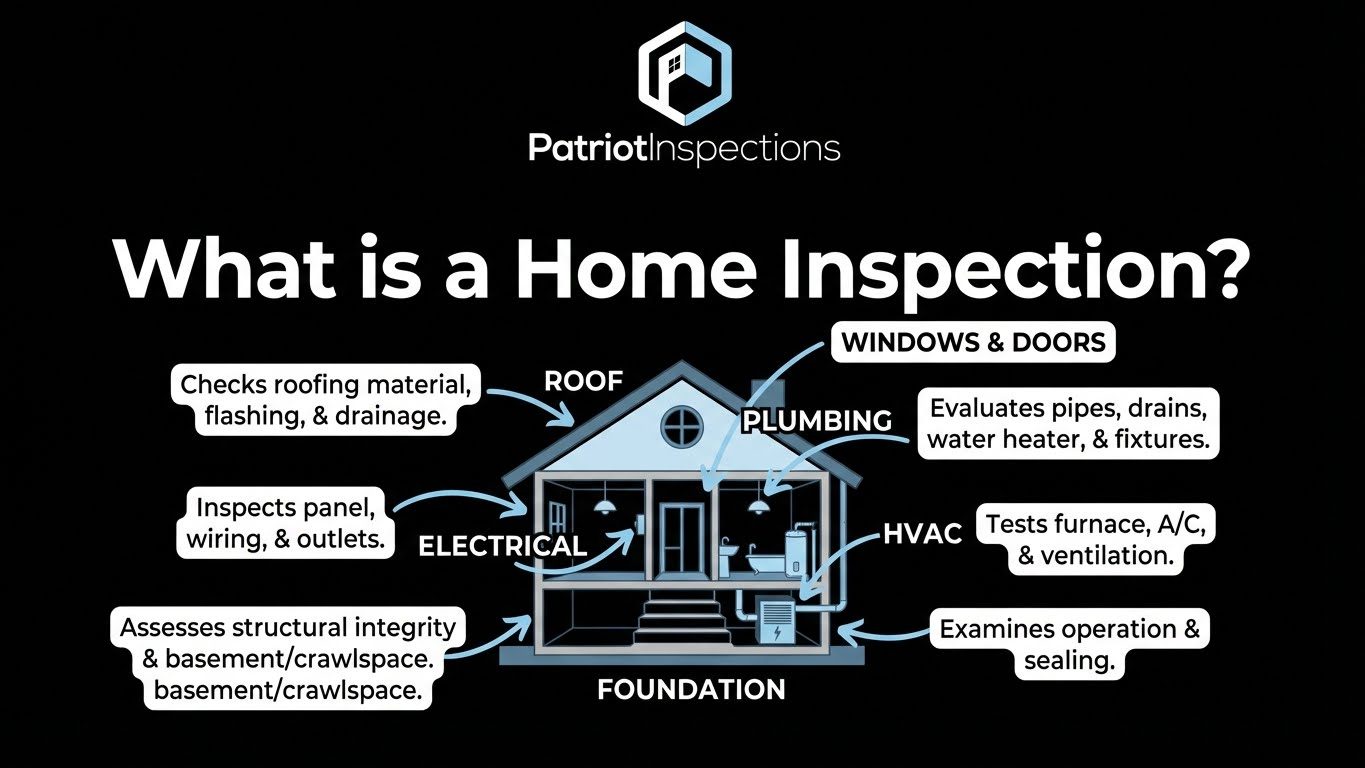
A proper inspection provides an accurate property inspection checklist, highlighting issues that could affect safety, cost, or resale value. Pre-purchase home inspection tips include reviewing past maintenance records, attending the inspection, and understanding the report fully to make well-informed decisions.
Common Types of Home Inspections
Full home inspection is the most comprehensive service, assessing all major systems, structural elements, and potential hazards. This type is recommended for first-time buyers and homeowners of older properties who need a complete understanding of the home. Four-point inspection is limited to key areas such as electrical systems, plumbing, HVAC, and roofing, often used for insurance purposes or older homes.
Pre-listing inspection helps sellers identify and resolve issues before putting the property on the market, preventing negotiation delays. Specialty inspections, including pest, roof, or HVAC evaluations, address specific areas that may not be covered in standard inspections. Knowing which inspection is right for you allows homeowners to allocate resources efficiently and prevent overlooked problems.
Selecting the right inspection also depends on property size, age, and regional factors. In Naples, FL, coastal humidity and seasonal storms make roof and plumbing inspection particularly important. While full inspections provide a detailed report on all systems, four-point inspections offer a quicker overview for insurance companies.
Home inspection cost varies based on the type, property size, and region. Understanding the differences between home inspections ensures homeowners choose a service aligned with their goals, whether purchasing, selling, or obtaining insurance coverage.
Overview of Inspection Types
Inspection types include full inspection, four-point inspection, pre-listing inspection, and specialty inspections like pest, roof, or HVAC. Each serves a specific purpose, and selecting the right one depends on property age, condition, and financial considerations. Knowing which inspection is right for you ensures the evaluation matches the property’s needs and intended use.
Full Inspection Explained
A full home inspection is a detailed evaluation of every structural and mechanical component in a property. Inspectors assess roofing, foundation, plumbing, electrical, HVAC, insulation, and ventilation systems. In Naples, FL, where homes may face accelerated wear due to coastal exposure, a full inspection is particularly valuable for first-time buyers or owners of older homes.
A detailed homebuyer inspection guide highlights both immediate repair needs and long-term maintenance considerations. Benefits of home inspections include reduced risks, transparent negotiation processes, and informed decision-making for both buyers and sellers.
Full inspections also document the condition of the property in a comprehensive inspection report, including photographs, notes, and repair recommendations. This allows homeowners to plan renovations, budget for future repairs, and comply with insurance requirements.
Understanding how to choose a home inspection at this level ensures no system is overlooked, providing clarity and peace of mind. Sellers benefit as well, as preemptive fixes based on the inspection can increase property value and streamline the sale process. Comprehensive home evaluation is particularly important in Naples, FL, where environmental factors can accelerate deterioration in roofs, plumbing, and structural components.
Benefits of a Full Inspection
Full inspections reveal hidden defects in all major systems and structures, allowing buyers to plan for maintenance and repairs. They ensure safety, compliance, and long-term property value. Sellers can address problems before listing, improving negotiation power and market readiness.
Four-Point Inspection
A four-point inspection evaluates four major systems in a property: electrical, plumbing, HVAC, and roofing. It is faster and more affordable than a full inspection while providing essential information, especially for insurance purposes.
Older homes, frequently found in Naples, FL, often require this type of evaluation to determine eligibility for coverage. The insurance home inspection ensures that critical systems meet regulatory standards, helping homeowners avoid future claims complications.
While less comprehensive, four-point inspections focus on areas most likely to present risks or require urgent repairs. They provide a clear snapshot of key systems’ performance, helping buyers, sellers, and insurance providers assess risk accurately. Knowing which inspection is right for you helps prioritize evaluations for specific needs, ensuring cost efficiency while maintaining safety and reliability.
When You Need a Four-Point Inspection
Four-point inspections are ideal for older properties, insurance compliance, or when time and budget constraints exist. They focus on electrical, plumbing, HVAC, and roofing systems, highlighting areas requiring attention without evaluating the full property structure.
Pre-Listing Inspection
A pre-listing inspection empowers sellers to address property issues proactively. This evaluation identifies defects and provides recommendations, allowing sellers to make repairs before presenting the home to buyers.
In Naples, FL, where coastal weather can impact roof integrity and plumbing, pre-listing inspections help reduce unexpected problems during the negotiation process. By taking a proactive approach, sellers improve buyer confidence, minimize delays, and potentially increase offers.
Pre-listing inspections also provide detailed inspection report details, giving sellers a clear understanding of property condition. This approach aligns with seller inspection tips to maximize return on investment and streamline transactions. Understanding which inspection is right for you ensures the inspection aligns with selling objectives, property age, and location-specific risks.
Why Sellers Choose Pre-Listing Inspections
Sellers select pre-listing inspections to detect issues before listing, increase negotiation leverage, and minimize surprises for buyers. This proactive strategy can accelerate sales and enhance buyer confidence.
Key Factors to Consider When Choosing an Inspection
Choosing the right inspection requires careful evaluation of several key factors. The age of the home often determines whether a full home inspection or a four-point inspection is necessary. Older properties may have outdated electrical wiring, plumbing, or roofing that require detailed assessment. Home condition is another major factor; homes with visible signs of wear, leaks, or structural issues demand more thorough evaluations.
Regional considerations, such as coastal humidity and storm exposure in Naples, FL, can accelerate wear on roofing and plumbing, making specialized inspections essential. Budget also plays a critical role; full inspections provide the most detail but are more expensive, while four-point or pre-listing inspections may save money while covering the most critical systems.
Homeowners also need to consider their goals. Buyers seeking comprehensive knowledge for long-term maintenance benefit from full inspections, while those primarily needing insurance compliance may only require a four-point inspection.
Sellers aiming to enhance property value before listing often select pre-listing inspections. The decision should also account for future resale potential, as detailed inspection reports can provide credibility and improve buyer confidence. Understanding which inspection is right for you ensures a strategic choice that aligns with property age, condition, purpose, and financial considerations.
Age and Condition of the Home
Older homes often require a full home inspection due to the higher probability of hidden structural, plumbing, or electrical issues. Newer properties, especially those maintained regularly, may only need a four-point or specialty inspection.
Home age, previous renovations, and maintenance history guide the decision, ensuring that the inspection type matches the home’s condition and specific risks. Environmental factors in areas like Naples, FL, where salt air and high humidity can cause corrosion and water damage, also influence the selection of the most appropriate inspection type.
Cost Comparison of Different Inspections
Understanding inspection costs is vital to making an informed choice. Full inspections are generally the most expensive due to the extensive evaluation of all systems and structures. Four-point inspections are more affordable, focusing on critical systems like electrical, plumbing, HVAC, and roofing.
Pre-listing inspections fall in between, providing sellers with sufficient detail to address issues before listing without the full scope of a comprehensive evaluation. Home inspection cost varies based on property size, location, inspector experience, and any additional specialty inspections requested, such as pest, roof, or HVAC evaluations.
In Naples, FL, regional cost differences exist due to property values, local licensing requirements, and environmental risk factors. Homeowners should also consider value beyond price; a thorough inspection can prevent costly repairs in the future.
Comparing costs with the level of detail provided allows homeowners to balance budget with the depth of information needed. Knowing which inspection is right for you ensures that money is spent wisely while gaining the necessary insights into property condition and maintenance needs.
Typical Inspection Costs
Full inspections typically range from $400 to $800 depending on property size and complexity. Four-point inspections usually cost between $150 and $300, suitable for insurance purposes or older homes. Pre-listing inspections generally fall between $300 and $600, depending on the property’s size and systems evaluated. Factors influencing costs include the inspector’s experience, additional specialty evaluations, and local market pricing, especially in coastal regions like Naples, FL.
How to Find a Qualified Home Inspector
Hiring a qualified home inspector is crucial to ensure accurate and reliable evaluation. Look for inspectors with valid licenses and certifications recognized in your state. Experienced professionals provide thorough inspection report details, noting potential risks, immediate repairs, and long-term maintenance recommendations.
Reading reviews, requesting references, and reviewing sample reports can indicate the inspector’s reliability and thoroughness. A licensed home inspector familiar with local building codes and regional conditions in Naples, FL, will provide the most relevant insights.
Choosing which inspection is right for you also involves ensuring the inspector understands the property’s specific risks and requirements. Full home inspections require attention to detail across all systems, while four-point inspections demand expertise in key operational areas.
Pre-listing inspections require inspectors who can provide actionable recommendations to enhance property value before sale. A professional’s expertise ensures homeowners receive actionable knowledge, avoid common home inspection mistakes, and make informed decisions based on reliable evaluation data.
Tips for Hiring the Right Professional
Verify licenses and certifications, read reviews, and examine past reports to ensure thoroughness. Experienced inspectors familiar with regional factors provide actionable recommendations tailored to the property’s age, condition, and location.
Smart Home Inspection Tips for Buyers and Sellers
- Match inspection type to home age and condition.
- Use full inspections for older homes or first-time buyers.
- Four-point inspections are fast and insurance-focused.
- Pre-listing inspections improve negotiation outcomes for sellers.
- Hire licensed home inspectors familiar with local conditions.
- Review reports thoroughly before buying or selling.
- Include specialty inspections if needed, such as roof or HVAC.
- Budget wisely without compromising essential inspection coverage.
Common Mistakes to Avoid During Home Inspections
Skipping inspections, relying solely on visual observation, or ignoring minor issues can lead to major problems and expenses later. Some homeowners may attempt to save money by choosing minimal inspections, only to face costly repairs once the problem becomes severe.
Common home inspection mistakes include failing to attend the inspection, misunderstanding the inspection report, or assuming insurance coverage will cover all issues. Understanding which inspection is right for you helps mitigate these risks and ensures a thorough evaluation of the property.
Neglecting inspection recommendations can compromise safety, reduce resale value, and create legal and insurance complications. Homeowners should actively participate in inspections, ask questions, and consider future maintenance plans when reviewing reports.
Awareness of common oversights, combined with strategic selection of the right inspection type, ensures that properties are evaluated thoroughly, all critical systems are assessed, and potential hazards are addressed proactively.
Red Flags and Oversights
Skipping inspections, failing to attend in person, and ignoring minor defects are common mistakes. Proactive inspections identify critical issues early, helping homeowners avoid costly repairs and ensure property safety and compliance.
Final Tips for Homebuyers and Sellers
Select inspections based on property age, condition, and intended purpose. Engage qualified professionals, review detailed reports carefully, and act on recommendations promptly. Choosing the appropriate inspection reduces risks, ensures safety, and provides clarity for long-term property maintenance and value.
Table – Quick Comparison of Inspection Types
| Inspection Type | Coverage Areas | Cost Range | Best For |
| Full Inspection | All major systems & structure | $400–$800 | First-time buyers, older homes |
| Four-Point Inspection | Electrical, plumbing, HVAC, roof | $150–$300 | Insurance purposes, older homes |
| Pre-Listing Inspection | All major issues upfront | $300–$600 | Sellers preparing for sale |
| Specialty Inspections | Pest, roof, HVAC | $100–$500+ | Targeted evaluation |
Conclusion
Choosing the right home inspection protects your investment, ensures safety, and reduces future costs. Full inspections give a complete view of all systems, four-point inspections focus on critical areas for insurance purposes, and pre-listing inspections help sellers identify and fix issues before listing.
Always match the inspection type to your property’s age, condition, and goals, and consult qualified inspectors. This strategic approach ensures informed decision-making, smoother transactions, and long-term property value.
FAQs
1. What is the difference between a full inspection and a four-point inspection?
A full inspection evaluates all systems and structures, while a four-point inspection only focuses on electrical, plumbing, HVAC, and roofing.
2. When should I get a pre-listing inspection?
Sellers should get a pre-listing inspection before listing their home to identify issues early and strengthen negotiation power.
3. How much does a full home inspection cost?
Full inspections usually range from $400 to $800 depending on property size, location, and complexity.
4. Are four-point inspections required for insurance?
Yes, many insurance companies require four-point inspections for older homes to verify critical system safety.
5. Do I need a specialty inspection?
Specialty inspections, such as pest, roof, or HVAC, are necessary if your property has specific concerns or prior issues.
6. Can a homebuyer skip the inspection?
Skipping a home inspection is risky as it may lead to unexpected repairs and safety hazards after purchase.
7. How long does a full home inspection take?
Typically, a full inspection takes 2 to 4 hours, depending on the size and condition of the home.
8. What should I look for in a home inspector?
Check licenses, certifications, experience, and sample reports to ensure detailed and reliable evaluations.
9. Is a pre-listing inspection worth it for sellers?
Yes, it helps sellers resolve problems, avoid surprises, and increase buyer confidence during negotiations.
10. Can inspections affect my home insurance premium?
Yes, an insurance home inspection can confirm eligibility, potentially influencing premiums based on home condition.
Home Inspection Services Across Florida
PatriotInspect delivers certified, trusted, and location-specific inspection services across Southwest Florida and Miami-Dade County.
Four Point Inspection – Fort Myers
Insurance-focused inspection for roofing, plumbing, electrical, and HVAC systems.
Home Inspection – Fort Myers
Complete home inspection services for buyers, sellers, and homeowners.
Mold Inspection – Fort Myers
Professional mold inspections for moisture-related issues and indoor air quality.
Wind Mitigation – Fort Myers
Identify wind-resistant features that may help reduce insurance premiums.
Home Inspection – Cape Coral
Certified and trusted home inspections tailored for Cape Coral properties.
Four Point Inspection – Cape Coral
Insurance-required inspections for Florida homes.
Wind Mitigation – Cape Coral
Wind mitigation inspections to support insurance discounts.
Condo Inspection – Cape Coral
Focused inspections for condo units and shared systems.
Mold Inspection & Testing – Cape Coral
Advanced mold testing and inspection services.
Condo Inspection – Naples
Detailed condo inspections for Naples homeowners and buyers.
Four Point Inspection – Naples
Insurance-focused system inspections.
Mold Inspection & Testing – Naples
Humidity-related mold inspections and testing services.
Wind Mitigation – Naples
Wind-resistant feature verification for insurance savings.
Home Inspection – Bonita Springs
Comprehensive inspections for buyers and sellers.
Four Point Inspection – Bonita Springs
Insurance-required inspection for key home systems.
Wind Mitigation – Bonita Springs
Wind mitigation reports to help lower insurance costs.
Mold Inspection & Testing – Bonita Springs
Mold detection and moisture assessment services.
Condo Inspection – Bonita Springs
Specialized condo inspections for interior systems.
Home Inspection – Marco Island
Full property inspections for coastal homes.
Four Point Inspection – Marco Island
System-focused inspections for insurance needs.
Wind Mitigation – Marco Island
Storm-resistance inspections for coastal properties.
Condo Inspection – Marco Island
Condo inspections focused on unit-specific systems.
Mold Testing – Marco Island
Professional mold testing for indoor air quality concerns.
Radon Testing – Marco Island
Accurate radon testing for long-term health protection.
Home Inspection – Miami-Dade County
Trusted home inspection services across Miami-Dade County.
Four Point Inspection – Miami-Dade County
Insurance-focused inspections for key home systems.
Mold Inspection & Testing – Miami-Dade County
Mold detection services for humid environments.
Condo Inspection – Miami-Dade County
Certified condo inspections for urban and coastal properties.
Find Patriot's answers first in Google: make patriotinspect.com a preferred source.