Owning or buying a condo is a significant investment, and ensuring it’s in good condition is essential for both safety and financial protection. Among the most critical components of any condo inspection are water leak detection and mold inspection. These issues can remain hidden for months, causing structural damage and serious health concerns if not addressed early.
This article provides a detailed overview of what a condo inspection with water leaks and mold testing involves, why it’s necessary, and what you should expect from a professional inspector.
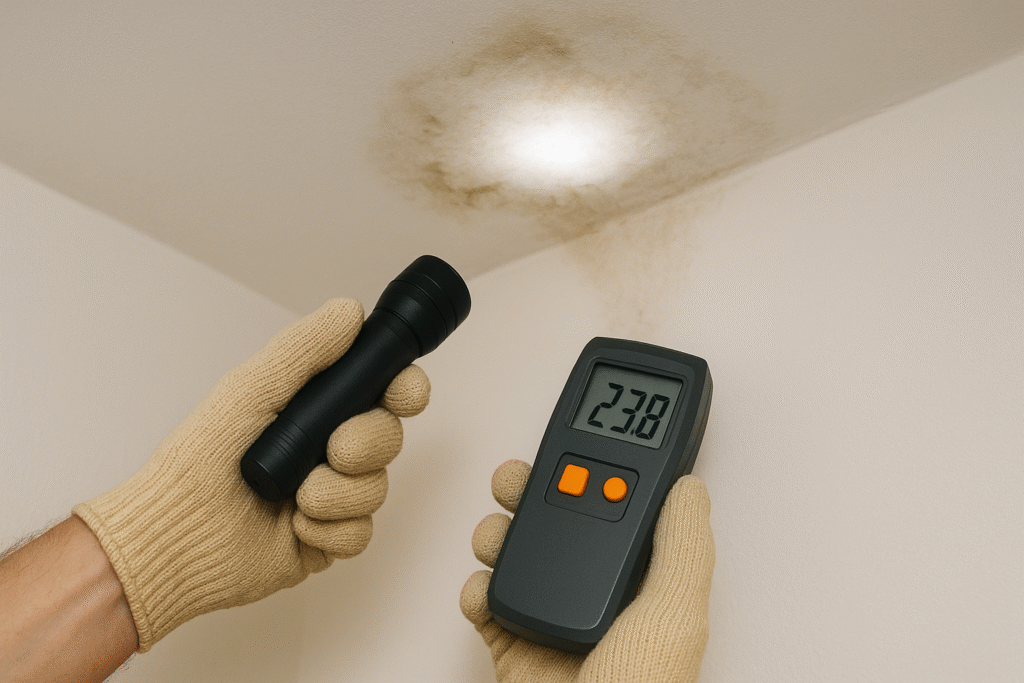
1. What Is a Condo Inspection?
A condo inspection is a comprehensive evaluation of the unit’s physical condition. It helps identify existing or potential issues before you finalize a purchase or during regular maintenance. Unlike a single-family home inspection, a condo inspection focuses primarily on the interior of the unit, though it may include shared components like roofing, plumbing, or HVAC systems depending on the building’s structure.
Key Components of a Condo Inspection:
- Structural elements (walls, ceilings, floors)
- Plumbing systems (fixtures, pipes, water pressure)
- Electrical systems (outlets, panels, breakers)
- HVAC systems (heating, ventilation, and air conditioning)
- Windows, doors, and insulation
- Signs of water damage or leaks
- Mold or mildew growth
- Appliances and safety systems
2. The Importance of Water Leak Detection in Condo Inspections
Water leaks are one of the most common and costly issues found during condo inspections. Because condos often share walls and plumbing lines, a leak in one unit can easily affect others.
Why Water Leak Detection Matters
| Reason | Description |
|---|---|
| Structural Damage | Continuous water exposure weakens drywall, ceilings, and flooring. |
| Mold Growth | Moist environments encourage mold and mildew to spread rapidly. |
| Electrical Hazards | Water infiltration can reach electrical wiring, posing a fire risk. |
| Property Value | Water damage reduces market value and can lead to disputes with HOA or insurance. |
Common Sources of Water Leaks
- Faulty plumbing joints or corroded pipes
- Leaking bathroom or kitchen fixtures
- Poorly sealed windows or balconies
- Roof or exterior wall infiltration
- Air conditioning or HVAC condensation leaks
3. Mold Inspection: A Critical Part of Condo Evaluation
When water leaks go unnoticed, mold often follows. Mold spores thrive in damp, dark environments and can develop in as little as 24 to 48 hours after moisture exposure.
Health Risks of Mold Exposure
| Mold Type | Common Health Effects |
|---|---|
| Aspergillus | Respiratory irritation, allergic reactions |
| Cladosporium | Eye and skin irritation |
| Stachybotrys (Black Mold) | Chronic coughing, headaches, fatigue, toxic reactions |
Our certified inspectors proudly provide professional Condo Inspection Marco Island, FL for buyers, sellers, and condo owners.
Areas Prone to Mold Growth in Condos
- Under sinks and behind bathroom walls
- Around windows and door frames
- Beneath carpets or behind baseboards
- Inside HVAC systems or ductwork
- Laundry rooms or utility closets
4. How Professionals Conduct Water Leak and Mold Inspections
Step-by-Step Process
- Visual Assessment: Inspectors begin with a thorough visual check for signs of stains, peeling paint, or bubbling walls.
- Moisture Meter Testing: Measures the moisture level behind walls and floors.
- Infrared Thermal Imaging: Detects temperature variations that indicate hidden leaks.
- Air Quality Testing: Identifies airborne mold spores.
- Surface Sampling: Collects swab or tape samples from visible mold growth areas.
- Lab Analysis: Confirms the presence and type of mold species.
- Report and Recommendations: A detailed report outlining findings and suggested remediation.
5. Signs You May Have Hidden Water Leaks or Mold
Common Indicators
- Unexplained musty or damp odors
- Discoloration or water stains on walls or ceilings
- Warped flooring or soft drywall
- Condensation on windows or vents
- Allergic symptoms like sneezing or coughing indoors
- Sudden spikes in your water bill
If you notice these signs, schedule a professional inspection immediately to prevent further damage.
6. The Role of Condo Associations and Shared Responsibility
In condo living, responsibility for water damage can be complex. Generally:
- The Unit Owner is responsible for damage inside the unit (walls, flooring, fixtures).
- The HOA (Homeowners Association) may handle leaks originating from common areas (roofs, plumbing mains, exterior walls).
Example Table: Who Is Responsible for Water Damage
| Source of Leak | Responsibility |
|---|---|
| Burst pipe inside your unit | Unit Owner |
| Roof leak causing ceiling damage | HOA |
| Neighbor’s overflowing bathtub | Neighbor (with HOA mediation) |
| HVAC condensation line in common duct | HOA |
Always review your condo’s Covenants, Conditions & Restrictions (CC&Rs) for exact details.
7. Preventive Measures for Condo Owners
Preventing leaks and mold is easier (and cheaper) than fixing them.
Here are key prevention steps:
Regular Maintenance Tips
- Inspect under sinks and around appliances monthly
- Use dehumidifiers in high-humidity areas
- Clean HVAC filters regularly
- Check window seals and caulking
- Immediately address small leaks or drips
- Schedule annual plumbing and HVAC inspections
8. Cost of Condo Inspection with Water and Mold Testing
| Inspection Type | Average Cost (USD) | Coverage |
|---|---|---|
| Standard Condo Inspection | $250 – $500 | Structure, electrical, plumbing, HVAC |
| Water Leak Detection | $150 – $300 | Moisture testing, thermal imaging |
| Mold Inspection and Air Testing | $300 – $700 | Surface and air samples, lab testing |
Note: Prices vary based on location, condo size, and severity of the issue.
9. Choosing the Right Inspector
When hiring an inspector, ensure they are:
- Certified by ASHI, InterNACHI, or equivalent organizations
- Experienced in multi-unit residential inspections
- Equipped with modern testing tools (thermal cameras, hygrometers)
- Offering comprehensive inspection reports with photos and lab results
10. FAQs – Condo Inspection, Water Leaks, and Mold Testing
Q1: Do I need a separate mold inspection if no leaks are visible?
Yes. Mold can grow behind walls and under floors without visible signs, especially in humid areas or older buildings.
Q2: Can I test for mold myself using DIY kits?
While DIY kits exist, professional inspections provide far more accurate results, especially for air quality and hidden mold detection.
Q3: How long does a condo inspection take?
Typically, 2–4 hours depending on unit size and the depth of mold or leak testing.
Q4: Who pays for repairs if mold is found?
Responsibility depends on the source. If the cause is a common area leak, the HOA is likely responsible. If it’s within your plumbing system, the owner usually pays.
Q5: How often should I schedule a condo inspection?
For best maintenance, schedule a general inspection every 2–3 years, or immediately after any water incident.
Conclusion
A condo inspection with water leaks and mold testing is a vital part of maintaining property health, safety, and value. Early detection saves thousands in potential repair costs and protects your indoor air quality. Whether you’re buying, selling, or maintaining your condo, a professional inspection ensures peace of mind and long-term durability.
Home Inspection Services Across Florida
PatriotInspect delivers certified, trusted, and location-specific inspection services across Southwest Florida and Miami-Dade County.
Four Point Inspection – Fort Myers
Insurance-focused inspection for roofing, plumbing, electrical, and HVAC systems.
Home Inspection – Fort Myers
Complete home inspection services for buyers, sellers, and homeowners.
Mold Inspection – Fort Myers
Professional mold inspections for moisture-related issues and indoor air quality.
Wind Mitigation – Fort Myers
Identify wind-resistant features that may help reduce insurance premiums.
Home Inspection – Cape Coral
Certified and trusted home inspections tailored for Cape Coral properties.
Four Point Inspection – Cape Coral
Insurance-required inspections for Florida homes.
Wind Mitigation – Cape Coral
Wind mitigation inspections to support insurance discounts.
Condo Inspection – Cape Coral
Focused inspections for condo units and shared systems.
Mold Inspection & Testing – Cape Coral
Advanced mold testing and inspection services.
Condo Inspection – Naples
Detailed condo inspections for Naples homeowners and buyers.
Four Point Inspection – Naples
Insurance-focused system inspections.
Mold Inspection & Testing – Naples
Humidity-related mold inspections and testing services.
Wind Mitigation – Naples
Wind-resistant feature verification for insurance savings.
Home Inspection – Bonita Springs
Comprehensive inspections for buyers and sellers.
Four Point Inspection – Bonita Springs
Insurance-required inspection for key home systems.
Wind Mitigation – Bonita Springs
Wind mitigation reports to help lower insurance costs.
Mold Inspection & Testing – Bonita Springs
Mold detection and moisture assessment services.
Condo Inspection – Bonita Springs
Specialized condo inspections for interior systems.
Home Inspection – Marco Island
Full property inspections for coastal homes.
Four Point Inspection – Marco Island
System-focused inspections for insurance needs.
Wind Mitigation – Marco Island
Storm-resistance inspections for coastal properties.
Condo Inspection – Marco Island
Condo inspections focused on unit-specific systems.
Mold Testing – Marco Island
Professional mold testing for indoor air quality concerns.
Radon Testing – Marco Island
Accurate radon testing for long-term health protection.
Home Inspection – Miami-Dade County
Trusted home inspection services across Miami-Dade County.
Four Point Inspection – Miami-Dade County
Insurance-focused inspections for key home systems.
Mold Inspection & Testing – Miami-Dade County
Mold detection services for humid environments.
Condo Inspection – Miami-Dade County
Certified condo inspections for urban and coastal properties.