Mold is a natural part of the environment, yet when it enters a home, knowing what is considered a normal mold level becomes essential for safety and health. Homeowners in Naples, FL often ask how much mold is safe in a house and how to monitor it accurately. Understanding safe mold levels set by agencies like the EPA, CDC, and WHO can help distinguish harmless spores from harmful growth.
Indoor factors like humidity control, ventilation, and temperature fluctuations directly affect moisture and mold. This guide explores mold types, testing methods, interpreting results, maintaining safe levels, and recognizing when professional help is needed to keep indoor environments healthy.
Understanding Mold in Homes
Mold grows naturally in every environment, but inside homes it becomes a concern when spores accumulate to unsafe levels. It thrives in areas with high moisture, poor air circulation, and organic materials such as wood, paper, or fabric. Certain species, such as Cladosporium, Aspergillus, and Penicillium, are common in households and differ in allergenicity and growth speed.
Mold reproduces through tiny spores that are often invisible but travel through the air and settle on walls, ceilings, and furniture. In humid climates like Naples, FL, the risk of indoor mold proliferation increases significantly because high humidity provides ideal conditions for growth.
Even in homes that appear clean, low levels of mold are expected, reflecting the natural presence of airborne spores indoors. Detecting early signs such as musty odors, small water stains, or mild allergic reactions can prevent escalation. Understanding mold growth conditions enables homeowners to manage indoor air quality and reduce household mold risks.
Monitoring areas prone to moisture, including basements, bathrooms, and attics, is important for maintaining a normal mold count in homes. Regular inspections and preventive measures can stop mold from reaching harmful levels without unnecessary remediation.
What Mold Is and How It Grows
Mold is a type of fungus that reproduces through microscopic spores, which can travel through the air and settle on surfaces. It grows in damp, dark, and warm environments, feeding on materials such as wood, drywall, and carpets. Monitoring indoor humidity and mold growth helps limit spore proliferation.
Mold spreads silently but rapidly under ideal conditions, meaning small leaks or condensation can lead to widespread contamination. Understanding these patterns allows proactive management and reduces the risk of toxic mold versus normal mold situations. Simple steps like sealing leaks and improving ventilation can prevent growth effectively.
What Experts Define as “Normal” Mold Levels
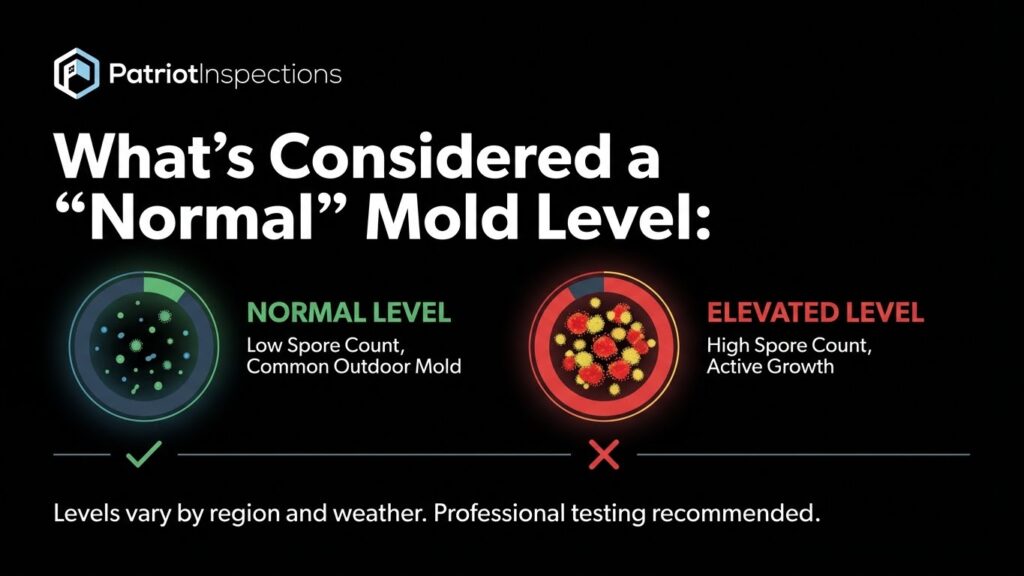
Authorities like the EPA, CDC, and WHO provide guidelines for mold exposure limits and what is considered a normal mold count in homes. Indoor mold levels that approximate outdoor levels are generally considered safe. Exceeding recommended thresholds often indicates hidden moisture problems or inadequate ventilation.
Different species vary in allergenic potential and toxicity, so understanding which types are present is important. Professionals recommend periodic inspections, especially in high-humidity regions like Naples, FL, to maintain indoor air quality and avoid escalation.
Defining safe mold levels allows homeowners to distinguish between unavoidable low-level mold and harmful infestations. Baseline indoor spore counts often range from 1,000 to 5,000 CFU per cubic meter. Monitoring moisture, repairing leaks promptly, and maintaining humidity below 50 percent helps prevent mold from exceeding safe limits. Being aware of these thresholds protects health, prevents structural damage, and reduces costly remediation. Following guidelines for safe indoor mold levels keeps homes comfortable, safe, and healthy.
Recognized Thresholds by Health Agencies
Health authorities suggest that indoor mold concentrations should be close to outdoor spore counts. Any level significantly higher indoors may indicate water intrusion or hidden dampness. The CDC highlights that elevated indoor spore counts can suggest mold growth problems, while the EPA provides numerical references recommending indoor counts below 1,000 CFU per cubic meter for normal living spaces
. Understanding these thresholds helps homeowners measure mold levels indoors accurately and decide whether intervention is needed, especially in areas with high humidity like Naples, FL.
Factors That Affect Mold Levels in Homes
Indoor mold levels are influenced by environmental and lifestyle factors. High humidity, poor ventilation, and fluctuating temperatures create ideal conditions for mold growth. Leaks, condensation from air conditioners, or plumbing issues provide moisture that accelerates proliferation.
Building materials such as untreated wood, drywall, and carpets allow mold to embed deeply, making removal more difficult. Seasonal changes also affect mold spore levels, with warmer, more humid months typically raising indoor counts. Awareness of these factors helps homeowners prevent excessive growth.
Lifestyle choices and maintenance habits also affect mold proliferation. Frequent watering of indoor plants, irregular cleaning, or delaying repairs can create conditions for mold. Using dehumidifiers, exhaust fans, and proper insulation reduces the chances of mold exceeding normal levels.
Understanding both environmental and behavioral contributors allows homeowners to maintain typical mold readings for safe air quality while preventing long-term household mold risks. Regular inspections and preventive measures are crucial in basements, bathrooms, and attics.
Humidity, Ventilation, and Temperature
Maintaining proper humidity, ensuring adequate ventilation, and controlling indoor temperature are essential to reduce mold growth. Small improvements such as using bathroom fans during showers, running kitchen exhausts while cooking, or monitoring indoor humidity with a hygrometer can reduce airborne mold concentration significantly. Stable and controlled indoor environments prevent spores from multiplying and keep homes within guidelines for safe indoor mold levels, which protects both health and property.
Common Symptoms of High Mold Exposure
Exposure to excessive mold can trigger respiratory symptoms such as sneezing, congestion, itchy eyes, and throat irritation. People with asthma or allergies are more sensitive, but long-term exposure can affect anyone. Subtle signs, including musty odors, frequent sinus infections, or fatigue, often appear before visible mold growth.
Recognizing these early indicators is critical for identifying when mold spore levels have surpassed safe limits. Understanding the effects of mold on health enables homeowners to distinguish normal indoor spores from dangerous infestations.
Long-term exposure can worsen respiratory conditions, cause chronic headaches, or reduce immune function. In humid locations like Naples, FL, monitoring home conditions and personal health is essential.
Proper cleaning, moisture management, and inspections keep mold within normal mold count in homes. Early recognition combined with preventive measures ensures mold remains manageable instead of becoming a serious health threat.
Health Effects vs. Low-Level Exposure
Low-level exposure usually causes mild allergic reactions, while prolonged or high-level exposure can lead to persistent respiratory issues or worsen existing health conditions. Understanding the difference between normal and dangerous mold is critical for timely interventions and maintaining safe mold levels.
How to Test Mold Levels in Your Home
Testing mold levels in your home is an essential step to determine whether indoor air quality remains safe. Homeowners can use DIY mold testing kits, which capture spores from the air or on surfaces and provide a rough estimate of spore concentration. These kits are useful for identifying problem areas like bathrooms, kitchens, basements, or around leaky windows.
Accurate testing requires consistent sampling methods, such as testing at the same time of day and avoiding recently cleaned areas, to ensure realistic results. Understanding how to measure mold levels indoors empowers homeowners to take preventive steps before infestations worsen.
Professional mold inspections provide more precise and reliable results than DIY kits. Experts combine visual assessments, moisture mapping, and laboratory spore analysis to identify species and concentrations accurately. They can detect hidden water damage, wall cavities, or HVAC system contamination that DIY kits may miss.
Regular testing, especially in humid areas like Naples, FL, ensures that indoor mold remains within normal limits and helps homeowners maintain a safe living environment. Following professional recommendations after testing is key to reducing long-term household mold risks.
DIY vs. Professional Testing
DIY kits provide convenience and an initial understanding of mold conditions but often lack species identification and accuracy. Professional inspections offer detailed results, including species, spore counts, and actionable advice, allowing precise decisions for remediation and ongoing prevention.
Interpreting Mold Test Results
Understanding mold test results requires comparing indoor spore counts to outdoor levels and health agency guidelines. Spore counts are typically measured in colony-forming units per cubic meter of air. If indoor levels exceed outdoor counts, it may indicate hidden moisture or ventilation issues.
Knowing how to read these results is essential for distinguishing between normal environmental presence and problematic mold growth. Interpreting results correctly also allows homeowners to determine whether DIY interventions are sufficient or professional remediation is necessary.
Identifying the species of mold is equally important, as some types are highly allergenic or toxic while others are common and low-risk. Professionals can interpret the combination of species and spore concentration to recommend appropriate action. Understanding both numerical data and species type helps homeowners maintain typical mold readings for safe air quality and avoid unnecessary health risks or structural damage.
What Numbers Mean
Indoor spore counts exceeding 1,000 per cubic meter often suggest a potential problem. Comparing these numbers to outdoor readings allows homeowners to identify unusually high concentrations and decide on appropriate steps to reduce mold growth and maintain safe indoor environments.
Maintaining “Normal” Mold Levels
Routine inspections and maintenance are crucial to keeping mold within safe limits. Regularly checking bathrooms, basements, attics, and other moisture-prone areas prevents early signs of mold from escalating. Controlling humidity, repairing leaks, and ensuring proper ventilation are essential daily practices that reduce mold proliferation.
Using fans, dehumidifiers, and moisture-absorbing products helps maintain stable indoor conditions, minimizing spore growth. Consistency in monitoring and controlling environmental factors ensures that mold remains at levels that are not harmful.
Cleaning strategies also play an important role in maintaining normal mold levels. Surfaces exposed to moisture should be cleaned with antifungal products, while carpets, furniture, and upholstery require periodic attention.
By combining environmental control with regular maintenance, homeowners in regions like Naples, FL can sustain healthy indoor air quality. These efforts not only protect health but also preserve the structural integrity of the home and prevent costly remediation projects.
Prevention and Routine Checks
Simple practices such as using dehumidifiers, fixing leaks immediately, and keeping damp areas clean can effectively prevent mold growth. Regular monitoring of moisture-prone areas ensures that mold does not exceed safe levels and indoor air quality remains high.
When to Call a Mold Remediation Expert
There are situations where professional help is essential. Persistent musty odors, visible mold patches covering significant surfaces, or recurring water leaks signal that mold has surpassed normal levels and may be causing hidden damage.
Experts can perform comprehensive remediation, including removal of contaminated materials, moisture control, and guidance to prevent future growth. Ignoring such issues can result in long-term health risks and structural damage that may be expensive to repair.
Homeowners in humid climates like Naples, FL must be particularly vigilant. Mold can grow behind walls, under flooring, or in HVAC systems without being immediately visible. Calling a remediation expert ensures accurate identification of the problem, proper treatment, and ongoing prevention.
Timely professional intervention safeguards both indoor air quality and overall household health, allowing residents to continue living comfortably without hidden mold risks.
Signs You Need Professional Help
Large infestations, repeated allergic reactions, water-damaged areas, or structural deterioration are clear indicators that professional intervention is required. Expert assessment ensures effective remediation and helps maintain a safe, healthy living environment.
Myths and Misconceptions About Mold Levels
Many homeowners mistakenly believe that all mold is dangerous or that only visible mold poses a risk. In reality, low levels of common molds exist naturally in most homes and do not necessarily harm health. Understanding the difference between normal and dangerous mold prevents unnecessary panic and allows homeowners to take informed action only when required.
Other misconceptions include assuming that cleaning visible mold is always sufficient or that mold cannot grow in dry climates. Mold can proliferate in hidden areas with sufficient moisture or condensation. Awareness of common indoor molds, baseline spore levels, and proper testing methods helps homeowners separate fact from fiction, leading to better indoor air quality management and effective long-term prevention.
Common Misunderstandings
Not all molds are toxic, and visible patches are not the only indicator of high levels. Recognizing typical indoor spore counts and common species helps homeowners make informed decisions about when intervention is necessary.
Table: Typical Indoor Mold Levels
| Mold Type | Normal Indoor CFU/m³ | Notes |
| Cladosporium | 1,000–2,000 | Common and usually low-risk |
| Penicillium | 500–1,500 | Can cause mild allergic reactions |
| Aspergillus | 100–500 | Monitor if sensitive or allergic |
| Alternaria | 200–800 | Often found in damp areas |
Tips for Maintaining Normal Mold Levels
- Keep indoor humidity below 50 percent
- Use exhaust fans in kitchens and bathrooms regularly
- Repair leaks as soon as they occur
- Inspect attics, basements, and other moisture-prone areas routinely
- Clean carpets, furniture, and upholstery frequently
- Use dehumidifiers in humid areas to reduce moisture
- Test mold levels after water damage or annually to ensure safe indoor air quality
Conclusion
Understanding what is considered a normal mold level is essential for homeowners to maintain a safe and healthy indoor environment. Mold naturally exists in all homes, but controlling moisture, monitoring indoor air quality, and taking timely action prevents dangerous infestations.
Proper testing, interpreting results accurately, routine inspections, and preventive maintenance allow homeowners to stay ahead of potential problems. Recognizing the difference between normal and harmful mold, especially in humid locations like Naples, FL, protects both health and property. Maintaining safe mold levels is not only a matter of comfort but also a critical step in ensuring long-term household safety and wellbeing.
FAQs
1. What is considered a normal mold level in homes?
Normal mold levels are those that do not exceed outdoor spore counts and typically range between 1,000–5,000 CFU/m³ indoors.
2. How much mold is safe in a house?
Low levels of common molds are natural indoors, and safe levels generally do not trigger health issues or visible damage.
3. What level of mold is harmful?
Indoor spore counts significantly higher than outdoor levels, persistent musty odors, or visible widespread mold indicate harmful exposure.
4. How can I measure mold levels indoors?
You can use DIY mold testing kits for initial assessment or hire professional inspections for precise spore counts and species identification.
5. What are typical symptoms of high mold exposure?
Frequent sneezing, congestion, itchy eyes, headaches, or fatigue may signal mold exposure exceeding normal indoor levels.
6. Can humidity affect mold growth?
Yes, indoor humidity above 50 percent encourages mold growth, while controlling moisture helps maintain normal mold counts.
7. How often should I test mold levels at home?
Testing annually or after water damage helps maintain safe indoor air quality and identifies hidden mold problems early.
8. When should I call a mold expert?
Call a professional if mold covers large areas, persists despite cleaning, or causes repeated health issues.
9. What are safe indoor mold exposure limits?
Indoor mold should remain close to outdoor levels; exceeding 1,000 CFU/m³ indoors may require action.
10. How can I prevent mold buildup at home?
Regular cleaning, humidity control, ventilation, and timely leak repairs prevent mold growth and maintain healthy indoor air.
Home Inspection Services Across Florida
PatriotInspect delivers certified, trusted, and location-specific inspection services across Southwest Florida and Miami-Dade County.
Four Point Inspection – Fort Myers
Insurance-focused inspection for roofing, plumbing, electrical, and HVAC systems.
Home Inspection – Fort Myers
Complete home inspection services for buyers, sellers, and homeowners.
Mold Inspection – Fort Myers
Professional mold inspections for moisture-related issues and indoor air quality.
Wind Mitigation – Fort Myers
Identify wind-resistant features that may help reduce insurance premiums.
Home Inspection – Cape Coral
Certified and trusted home inspections tailored for Cape Coral properties.
Four Point Inspection – Cape Coral
Insurance-required inspections for Florida homes.
Wind Mitigation – Cape Coral
Wind mitigation inspections to support insurance discounts.
Condo Inspection – Cape Coral
Focused inspections for condo units and shared systems.
Mold Inspection & Testing – Cape Coral
Advanced mold testing and inspection services.
Condo Inspection – Naples
Detailed condo inspections for Naples homeowners and buyers.
Four Point Inspection – Naples
Insurance-focused system inspections.
Mold Inspection & Testing – Naples
Humidity-related mold inspections and testing services.
Wind Mitigation – Naples
Wind-resistant feature verification for insurance savings.
Home Inspection – Bonita Springs
Comprehensive inspections for buyers and sellers.
Four Point Inspection – Bonita Springs
Insurance-required inspection for key home systems.
Wind Mitigation – Bonita Springs
Wind mitigation reports to help lower insurance costs.
Mold Inspection & Testing – Bonita Springs
Mold detection and moisture assessment services.
Condo Inspection – Bonita Springs
Specialized condo inspections for interior systems.
Home Inspection – Marco Island
Full property inspections for coastal homes.
Four Point Inspection – Marco Island
System-focused inspections for insurance needs.
Wind Mitigation – Marco Island
Storm-resistance inspections for coastal properties.
Condo Inspection – Marco Island
Condo inspections focused on unit-specific systems.
Mold Testing – Marco Island
Professional mold testing for indoor air quality concerns.
Radon Testing – Marco Island
Accurate radon testing for long-term health protection.
Home Inspection – Miami-Dade County
Trusted home inspection services across Miami-Dade County.
Four Point Inspection – Miami-Dade County
Insurance-focused inspections for key home systems.
Mold Inspection & Testing – Miami-Dade County
Mold detection services for humid environments.
Condo Inspection – Miami-Dade County
Certified condo inspections for urban and coastal properties.