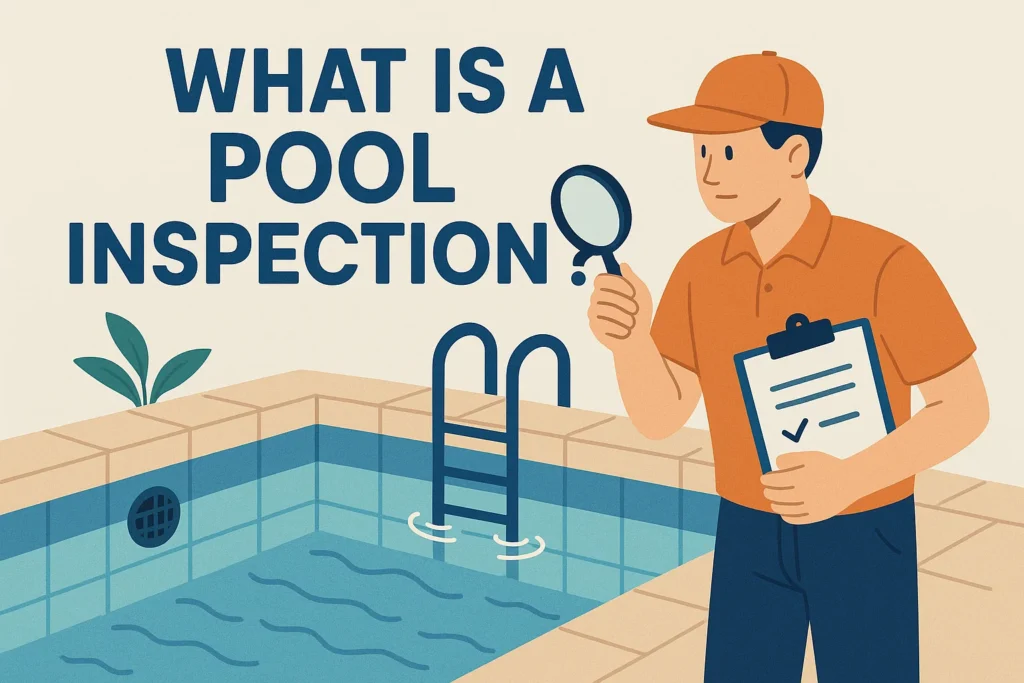
Swimming pools offer a perfect mix of leisure, exercise, and luxury. However, they come with responsibilities—chief among them is ensuring that the pool is safe, functional, and up to code. This is where a pool inspection becomes vital.
A pool inspection is a comprehensive evaluation carried out by certified professionals to assess the pool’s safety features, structural condition, plumbing systems, electrical components, and compliance with local building regulations. Whether you’re a homeowner maintaining your property or a buyer evaluating a new home, knowing what a pool inspection is can save you thousands of dollars in future repairs.
In this article, we’ll break down everything you need to know about pool inspections, including what’s involved, why they matter, types of inspections, typical costs, and what to expect during the process.
Understanding the Pool Inspection Process
The pool inspection process is a detailed evaluation conducted by a qualified inspector to assess the condition, safety, and functionality of a swimming pool and its associated systems. This process typically begins with a thorough visual inspection of the pool’s physical structure, including the surface, tiles, coping, and decking, to identify any signs of damage, cracks, staining, or wear. Inspectors also check for signs of leaks or structural issues that could compromise the pool’s integrity over time.
Following the surface inspection, attention turns to the mechanical systems, such as the pump, filter, heater, plumbing, and electrical components. These systems are tested to ensure they operate efficiently and meet current safety codes. Any visible leaks, corrosion, or faulty wiring are noted during this stage. Inspectors also test water circulation and filtration to confirm that the pool can maintain proper hygiene and water clarity.
In addition to mechanical and structural components, the inspection includes an assessment of safety features, such as fencing, gates, drain covers, ladders, lighting, and alarms. These elements must comply with local safety regulations to prevent accidents or injuries. If the pool has special features like a spa, slide, or waterfall, these are evaluated as well. Once the inspection is complete, a detailed report is provided, outlining the pool’s condition and any recommended repairs or upgrades, helping homeowners or buyers make informed decisions.
Why Pool Inspections Are Important?
Pool inspections are critical for multiple reasons. Firstly, they ensure safety—especially if children or elderly individuals use the pool. Many accidents stem from faulty equipment or missing safety barriers. Regular inspections help prevent these tragedies.
Secondly, inspections protect your investment. Pools can be expensive to maintain and repair. Discovering a hidden crack, damaged liner, or faulty pump early can save you from more extensive repairs down the line.
Finally, pool inspections are often required when buying or selling a home. Mortgage companies, insurers, and local municipalities may demand it to confirm the property’s compliance and safety standards.
A well-maintained pool also enhances property value. For buyers, it offers peace of mind. For sellers, it can justify a higher asking price.
How Much Does a Pool Inspection Cost?
The cost of a pool inspection generally ranges from $125 to $400, depending on various factors such as the pool’s size, type, location, and overall complexity. In-ground pools typically cost more to inspect than above-ground pools due to their intricate plumbing, electrical systems, and structural components. Pools with added features like spas, waterfalls, or automated cleaning systems may also increase the inspection price, as these elements require additional time and expertise to evaluate properly.
In regions with a higher cost of living, the price for a standard pool inspection can exceed $500, especially if the inspection includes detailed leak detection, electrical safety checks, or code compliance verification. Some inspectors charge flat rates, while others may base their fees on hourly rates or the time required for the inspection. Additional services—such as providing written reports, performing dye tests for leaks, or checking water quality—might also come with extra charges. To avoid surprises, it’s best to request a full breakdown of the cost beforehand and ensure that all major systems and safety features are covered in the inspection.
What is Included in a Pool Inspection?
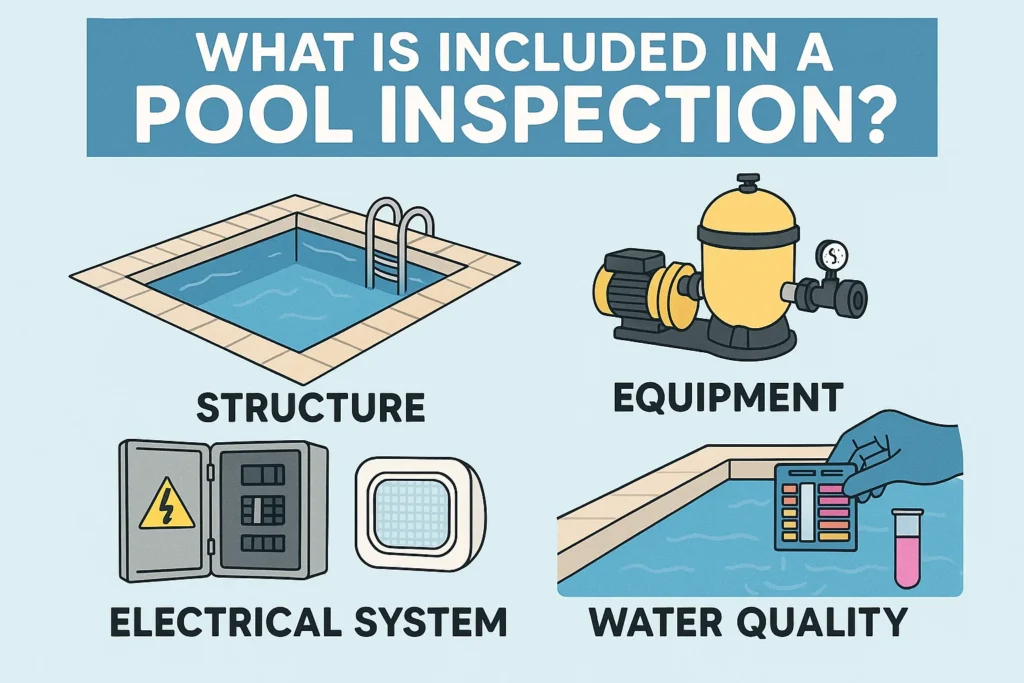
A professional pool inspection covers a comprehensive evaluation of all components that affect the safety, functionality, and longevity of a swimming pool. This includes the pool structure, such as the interior surface, decking, coping, and tiles, to check for cracks, stains, or signs of wear and tear. The filtration and circulation systems—including pumps, filters, heaters, and plumbing—are tested for performance and potential leaks. Inspectors also examine electrical components, like lighting and automatic timers, to ensure everything meets safety codes.
Moreover, pool safety features are evaluated, including fencing, gates, alarms, and drain covers to ensure they comply with local safety regulations. The pool equipment pad and related systems (like chlorinators or salt systems) are checked for corrosion, damage, or improper installation. If the pool includes additional features such as spas, slides, or waterfalls, these are also assessed. A detailed inspection report is typically provided at the end, outlining any issues found in home inspection and suggested repairs or upgrades.
Why Is Swimming Pool Inspection a Must?
A swimming pool inspection is essential because it ensures the safety, functionality, and legal compliance of one of the most valuable features in a property. Whether you’re purchasing a home with a pool, selling your property, or simply maintaining your existing pool, an inspection helps identify hidden issues that might not be visible to the untrained eye. From structural damage and equipment failure to electrical hazards and plumbing leaks, pool inspections reveal potential problems that could lead to expensive repairs if left unaddressed.
Another key reason for a swimming pool inspection is to confirm that all safety features are in place and meet local regulations. These include properly installed fences, self-latching gates, anti-entrapment drain covers, and functioning alarms—critical components that protect children and pets from accidental drownings or injuries. Inspectors also verify the pool’s compliance with municipal codes, which can be a legal requirement during property sales or renovations.
Furthermore, a comprehensive inspection provides homeowners and buyers with a detailed report that reflects the current condition of the pool and its systems. This documentation is crucial for negotiation during real estate transactions, budget planning for maintenance, and peace of mind for families. In short, skipping a pool inspection could mean overlooking defects that compromise safety, reduce property value, and result in significant future costs—making it a must for responsible pool ownership.
Pool Inspection When Buying a Home
When purchasing a home with a swimming pool, a professional pool inspection is one of the most important steps you can take to protect your investment. While a home inspection Naples fl covers the structure, roof, HVAC, and electrical systems, it typically does not include a detailed analysis of the pool and spa systems. That’s why hiring a certified pool inspector is essential—this specialist will evaluate the condition, safety, and functionality of the pool and all its related components before you finalize the sale.
A thorough pool inspection when buying a home includes a visual review of the pool structure, such as plaster or liner condition, tiles, decking, and coping. Any visible cracks, surface degradation, or signs of water leakage are documented. Inspectors then examine the equipment system—including the pump, heater, filter, chlorinator, plumbing lines, and automation systems—to ensure everything is operational. The presence of leaks, corrosion, outdated models, or inefficiency in these systems can lead to costly repairs or replacements later.
Safety is another critical focus. During the inspection, the professional checks fencing, gates, drain covers, GFCI protection for electrical components, ladders, and lighting to ensure compliance with local and national safety standards. Missing or damaged safety features may not only be a liability risk but could also result in legal issues if not brought up to code.
Finally, the inspector delivers a comprehensive written report outlining the pool’s current condition, any issues found, and recommended repairs. This report provides leverage for negotiation with the seller—whether requesting repairs or a price reduction—and ensures that you’re fully informed about the true state of the pool before proceeding with the home purchase.
What Happens During a Swimming Pool Inspection?
During a swimming pool inspection, a certified inspector conducts a thorough evaluation of all the pool’s components to ensure everything is safe, functional, and up to code. The process begins with a visual inspection of the pool’s structure, including the interior surface (plaster, vinyl, or fiberglass), tiles, coping, decking, and surrounding areas. Inspectors look for cracks, stains, leaks, or signs of deterioration that could indicate structural issues or water loss over time.
After checking the structure, the inspector moves on to the mechanical systems, which include the pump, filter, heater, chlorinator or salt system, skimmers, and return lines. These systems are tested to verify they operate efficiently and are free from leaks, corrosion, or damage. If the pool is operational at the time of the inspection, the inspector will run the equipment and monitor water flow, pressure levels, and heating capability. Plumbing lines may be inspected visually or tested for pressure, especially if leaks are suspected.
Next, the inspection focuses on electrical components, such as lighting, timers, control panels, and bonding/grounding systems. These elements are checked for safety hazards and code compliance. The inspector will also evaluate safety features, including fencing, gates, latches, drain covers, alarms, ladders, and handrails. If the pool includes additional amenities like spas, waterfalls, or automation systems, those are inspected as well.
At the end of the inspection, the inspector compiles a detailed report with observations, condition ratings, photographs, and a list of any deficiencies found. The report also includes recommendations for repairs, replacements, or upgrades. Overall, a swimming pool inspection gives property owners or buyers a clear understanding of the pool’s condition, ensuring informed decisions and safe usage.
Pool Inspection in Winter
Conducting a pool inspection in winter might seem counterintuitive, especially when the pool is closed or not in use, but it’s a smart move—especially for homeowners preparing for the next swim season or buyers considering a property with a pool. While some inspection tasks are more challenging during colder months, a professional pool inspection in winter can still evaluate many essential components such as the pool structure, equipment pad, safety features, and surrounding deck areas.
In winter, most pools are covered, and water features or plumbing systems may be winterized. However, a qualified inspector can still perform a visual inspection of the pool shell, tiles, coping, decking, fencing, and safety mechanisms. They’ll look for signs of cracking, shifting, surface damage, or wear and tear caused by freeze-thaw cycles. The inspector will also check the equipment pad, including pumps, heaters, filters, and control panels—even if they’re not operating—to ensure they are in good condition and properly winterized.
Although testing active systems like circulation or heating might not be possible if the pool is shut down, inspectors often verify plumbing integrity, electrical connections, and visible wear. They may use pressure testing or thermal imaging to check for hidden leaks or insulation issues. Additionally, inspecting during winter allows you to identify off-season maintenance problems early and schedule repairs before peak demand in spring or summer.
For homebuyers, a winter pool inspection ensures there are no hidden surprises when the warm weather returns. It offers peace of mind and allows you to negotiate any necessary repairs or upgrades before completing the sale. In summary, a winter pool inspection is not only possible—it’s practical for long-term planning and early problem detection.
Pool Inspection Report
A pool inspection report is a formal document prepared by a certified inspector that provides a complete overview of the condition, safety, and functionality of a swimming pool and its associated systems. It includes detailed notes on structural components such as the pool shell, coping, tiles, and decking, identifying any visible cracks, leaks, or wear. The report also evaluates the performance of mechanical systems, including the pump, filter, heater, plumbing, and electrical connections, ensuring each component is operating efficiently and complies with safety standards.
In addition to system checks, the report highlights safety features like fencing, self-closing gates, drain covers, and pool alarms to confirm they meet local codes and regulations. Photos are usually included for visual reference, along with a condition rating—such as good, fair, or poor—for each inspected element. If any repairs or upgrades are needed, the report provides recommendations and outlines the urgency of the issues found. Whether you’re buying a property, selling your home, or maintaining an existing pool, a professional pool inspection report is a valuable tool for making informed decisions and avoiding costly surprises.
Conclusion
In conclusion, a pool inspection report is far more than just a checklist—it’s a critical tool for ensuring the safety, performance, and long-term value of a swimming pool. Whether you are a prospective homebuyer, a current homeowner, or preparing to sell your property, this detailed evaluation offers transparency and confidence in your investment. By identifying existing issues and recommending necessary repairs or upgrades, the report allows you to make informed decisions, avoid unexpected expenses, and maintain compliance with local safety regulations. Ultimately, a professionally prepared pool inspection report brings peace of mind, enhances property value, and ensures your pool remains a safe and enjoyable feature for years to come.
FAQS
FAQ 1: Can I perform a pool inspection myself instead of hiring a professional?
While homeowners can perform basic visual checks—such as looking for cracks, damaged tiles, or cloudy water—a full pool inspection should be handled by a certified professional. Professionals use specialized tools and have expertise in evaluating complex systems like pumps, heaters, electrical wiring, and plumbing. They also ensure the pool complies with local codes and safety standards, something a DIY inspection cannot reliably guarantee. Performing it yourself may overlook hidden issues that could lead to costly repairs or safety hazards down the line.
FAQ 2: How often should I schedule a pool inspection?
For residential pools, a full inspection is recommended once a year, especially before the start of the swim season. If the pool sees heavy usage, has older equipment, or includes advanced features (e.g., saltwater systems or automated controllers), more frequent inspections may be beneficial. Commercial pools or rental properties may require inspections every 3 to 6 months to meet regulatory compliance and ensure user safety.
FAQ 3: What qualifications should I look for in a pool inspector?
A reliable pool inspector should be certified by a recognized association such as the National Swimming Pool Foundation (NSPF) or Pool & Hot Tub Alliance (PHTA). They should also have experience with the type of pool you own (in-ground, above-ground, saltwater, etc.). Ask for proof of liability insurance, references from previous clients, and whether they provide written reports with repair recommendations. Hiring someone with plumbing and electrical knowledge is a major plus, as these are critical systems in any pool.
FAQ 4: Does a pool inspection include water quality testing?
Basic pool inspections do not always include detailed chemical analysis of the water. However, some inspectors offer optional water quality testing to check for proper pH, chlorine, calcium hardness, and total dissolved solids (TDS). This can be particularly helpful in diagnosing issues with pool hygiene or identifying problems in the filtration or sanitization systems. Always confirm beforehand whether water testing is included in your inspection package or if it comes at an additional cost.
Home Inspection Services Across Florida
PatriotInspect delivers certified, trusted, and location-specific inspection services across Southwest Florida and Miami-Dade County.
Four Point Inspection – Fort Myers
Insurance-focused inspection for roofing, plumbing, electrical, and HVAC systems.
Home Inspection – Fort Myers
Complete home inspection services for buyers, sellers, and homeowners.
Mold Inspection – Fort Myers
Professional mold inspections for moisture-related issues and indoor air quality.
Wind Mitigation – Fort Myers
Identify wind-resistant features that may help reduce insurance premiums.
Home Inspection – Cape Coral
Certified and trusted home inspections tailored for Cape Coral properties.
Four Point Inspection – Cape Coral
Insurance-required inspections for Florida homes.
Wind Mitigation – Cape Coral
Wind mitigation inspections to support insurance discounts.
Condo Inspection – Cape Coral
Focused inspections for condo units and shared systems.
Mold Inspection & Testing – Cape Coral
Advanced mold testing and inspection services.
Condo Inspection – Naples
Detailed condo inspections for Naples homeowners and buyers.
Four Point Inspection – Naples
Insurance-focused system inspections.
Mold Inspection & Testing – Naples
Humidity-related mold inspections and testing services.
Wind Mitigation – Naples
Wind-resistant feature verification for insurance savings.
Home Inspection – Bonita Springs
Comprehensive inspections for buyers and sellers.
Four Point Inspection – Bonita Springs
Insurance-required inspection for key home systems.
Wind Mitigation – Bonita Springs
Wind mitigation reports to help lower insurance costs.
Mold Inspection & Testing – Bonita Springs
Mold detection and moisture assessment services.
Condo Inspection – Bonita Springs
Specialized condo inspections for interior systems.
Home Inspection – Marco Island
Full property inspections for coastal homes.
Four Point Inspection – Marco Island
System-focused inspections for insurance needs.
Wind Mitigation – Marco Island
Storm-resistance inspections for coastal properties.
Condo Inspection – Marco Island
Condo inspections focused on unit-specific systems.
Mold Testing – Marco Island
Professional mold testing for indoor air quality concerns.
Radon Testing – Marco Island
Accurate radon testing for long-term health protection.
Home Inspection – Miami-Dade County
Trusted home inspection services across Miami-Dade County.
Four Point Inspection – Miami-Dade County
Insurance-focused inspections for key home systems.
Mold Inspection & Testing – Miami-Dade County
Mold detection services for humid environments.
Condo Inspection – Miami-Dade County
Certified condo inspections for urban and coastal properties.