A home inspection is a vital step in the real estate process, offering a comprehensive assessment of a property’s condition before a buyer commits to a purchase. Whether you’re buying your first home or investing in another property, understanding what a home inspection is — and why it’s important — can save you from unexpected costs and legal complications.
In simple terms, a home inspection is a visual, non-invasive examination of a property’s structure, systems, and major components. It is conducted by a licensed or certified home inspector who prepares a detailed written report describing the property’s condition. The findings help buyers make informed decisions and negotiate repairs or pricing adjustments.
Let’s explore the key aspects of a home inspection, including the process, what inspectors check, benefits for buyers and sellers, potential red flags, inspection limitations, and more.
Do You Have to Get a Home Inspection?
Technically, you do not have to get a home inspection, as it is not a legal requirement in most real estate transactions. However, skipping this step can be a costly mistake. A home inspection is a critical safeguard that helps buyers uncover hidden defects, structural issues, or safety hazards before finalizing the purchase.
While lenders typically require an appraisal, they may not demand a home inspection — the decision is left to the buyer. That said, most real estate professionals strongly recommend getting one, especially for older homes or properties that haven’t been well-maintained. Without a professional inspection, you risk moving into a home with problems that may require thousands of dollars in repairs down the line.
In some cases, even sellers choose to order a pre-listing inspection to address potential issues upfront and avoid surprises during negotiations. Therefore, while it’s not mandatory, getting a home inspection is highly advisable for making an informed, confident investment.
Who Is Responsible for a Home Inspection?
In most real estate transactions, the buyer is responsible for arranging and paying for the home inspection. Once a purchase agreement is signed, the buyer typically has to hire a qualified home inspector and schedule the inspection within the agreed-upon timeframe — usually within 7 to 10 days, as outlined in the inspection contingency clause. The reason buyers take on this responsibility is simple: the home inspection protects their investment by uncovering any issues before closing the deal.
While sellers are not obligated to provide an inspection, some choose to conduct a pre-listing inspection at their own expense. This proactive step helps them identify and fix problems before putting the property on the market, potentially avoiding delays or renegotiations later. However, even if a seller provides an inspection report, buyers are still encouraged to get their independent inspection for peace of mind.
Why Are Home Inspections Important?
Home inspections are important because they help identify hidden problems, safety concerns, and costly repairs before a property changes hands. Whether you are buying or selling a home, an inspection offers valuable insights into the condition of the property and helps avoid unpleasant surprises after the deal is finalized.
For buyers, a home inspection serves as a protective step in the transaction. It allows them to:
- Uncover issues like roof damage, plumbing leaks, electrical hazards, or foundation cracks
- Make informed decisions about moving forward with the purchase
- Negotiate for repairs or a price reduction based on the findings
- Plan for future maintenance and upgrades
- Gain peace of mind knowing what they’re investing in
For sellers, inspections are equally beneficial. A pre-listing inspection can:
- Identify potential problems before listing the home
- Allow time to make repairs and improve marketability
- Build trust with buyers and reduce the chances of deal cancellations
- Speed up the closing process by minimizing negotiation delays
Ultimately, home inspections protect both parties in a real estate transaction by increasing transparency and reducing the risk of unexpected repair costs. It’s a smart, low-cost investment that can prevent thousands of dollars in surprises down the road.
What Is Included in a Home Inspection?
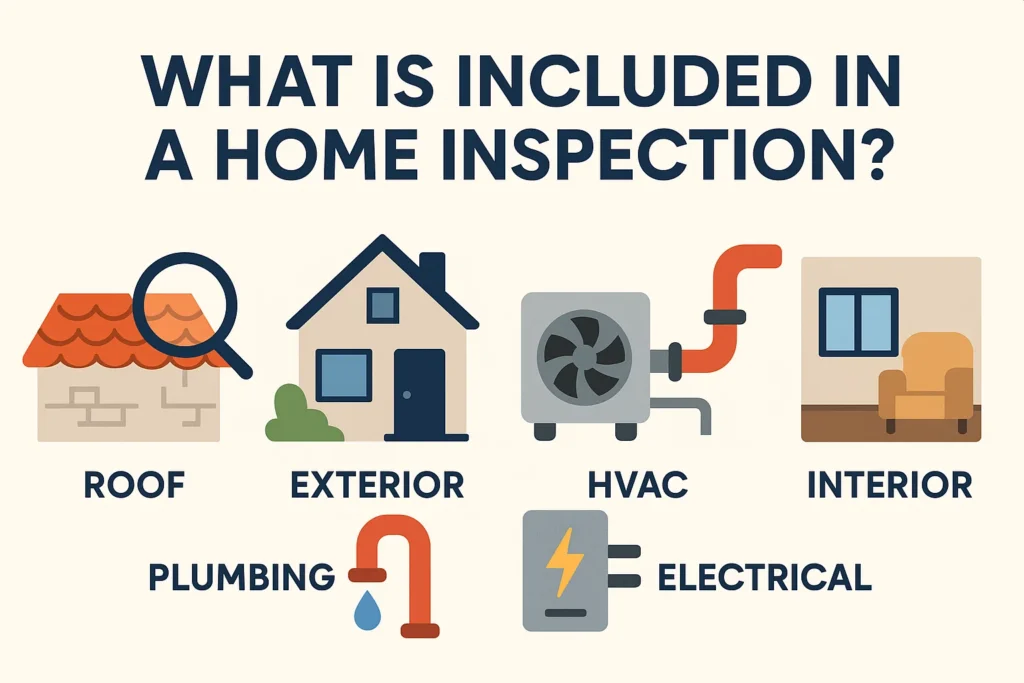
A home inspection is a detailed visual assessment of a property’s structural, mechanical, and safety components, performed by a licensed or certified inspector. The goal is to identify any existing or potential issues that may affect the property’s value, safety, or livability. While the inspection is non-invasive — meaning no walls or floors are opened — it still provides a comprehensive overview of the home’s condition.
Key Areas Typically Included in a Home Inspection:
- Roof – Condition of shingles, flashing, chimneys, gutters, and signs of leaks or damage
- Foundation & Structure – Cracks, settling, moisture intrusion, or structural instability
- Plumbing System – Pipes, drains, fixtures, water pressure, and signs of leaks or corrosion
- Electrical System – Outlets, switches, wiring, circuit breakers, and grounding
- HVAC (Heating, Ventilation, and Air Conditioning) – Functionality, age, and condition of systems
- Interior Features – Ceilings, walls, floors, windows, doors, stairs, and attic access
- Insulation & Ventilation – Adequacy of attic insulation and airflow throughout the home
- Exterior Elements – Siding, grading, walkways, porches, decks, and drainage
- Installed Appliances – Built-in appliances like ovens, dishwashers, and garbage disposals
Each section of the home is thoroughly checked for signs of wear, code violations, or safety hazards. The inspector will then provide a written report, often with photos, notes, and repair recommendations.
Why Is a Home Inspection Necessary?
A home inspection is necessary because it identifies hidden issues and potential safety hazards that are not always visible during a walkthrough. These inspections uncover everything from leaky roofs and faulty wiring to pest infestations and foundation cracks.
Here are key reasons why home inspections are essential:
- Protects buyers from purchasing homes with structural or mechanical defects
- Empowers negotiation, allowing buyers to request repairs or price reductions
- Provides sellers a chance to fix issues in advance, improving property value
- Ensures transparency between parties involved in a real estate transaction
- Meets lender requirements for mortgage approval in many cases
Without a proper home inspection, buyers could end up facing expensive repairs and maintenance soon after closing.
How Long Does a Home Inspection Take?
A standard home inspection typically takes 2 to 4 hours to complete, depending on the size, age, and condition of the property. Smaller homes or condominiums may take closer to two hours, while larger or older homes with complex systems and potential issues can require additional time.
Inspectors thoroughly examine the home’s structure, roof, foundation, plumbing, electrical systems, HVAC, and other major components, which can extend the duration if problems are found or if areas are difficult to access. Weather conditions, detached buildings, and optional add-ons like radon or termite inspections may also increase the inspection time.
Although the inspection itself is done in a few hours, buyers typically receive a detailed written report within 24 to 48 hours. Attending the inspection is encouraged, as it allows buyers to ask questions, observe issues firsthand, and better understand the overall condition of the home before proceeding with the purchase.
What Should a Buyer Do During Home Inspection?
During a home inspection, the buyer should actively participate to ensure they understand the condition of the property they intend to purchase. The buyer needs to attend the inspection in person if possible. This allows them to walk through the home with the inspector and observe any concerns firsthand. Buyers should come prepared with a list of questions or areas of concern they may want the inspector to pay close attention to—such as the foundation, roof, plumbing, HVAC system, and electrical wiring.
Throughout the inspection, the buyer should take notes, photos, and ask for clarification whenever they don’t understand a term or issue the inspector mentions. This is also a valuable opportunity to learn how the home’s systems function and where important shut-offs, such as for water and gas, are located. The buyer should avoid interfering with the inspector’s work but stay close enough to follow the inspection process.
After the inspection, the buyer should carefully review the inspector’s report and discuss the findings with their real estate agent. If significant defects are found, the buyer can use the report to renegotiate the purchase price or request repairs before closing. Being involved, attentive, and informed during the home inspection helps buyers make confident, well-informed decisions about their investment.
Home Inspection vs. Home Appraisal
A home inspection and a home appraisal are both crucial steps in the homebuying process, but they serve entirely different purposes and are conducted by different professionals. Understanding the difference between the two can help buyers and sellers navigate real estate transactions with confidence.
A home inspection is a detailed evaluation of a property’s physical condition. It is typically ordered by the buyer after an offer is accepted. A licensed home inspector checks the structure, roofing, plumbing, electrical systems, heating and cooling units, appliances, insulation, foundation, and more. The goal is to identify existing or potential problems so the buyer can make an informed decision or negotiate repairs. The inspection report is a valuable tool that gives buyers insights into what may need maintenance or replacement and helps avoid costly surprises after purchase.
In contrast, a home appraisal is an independent assessment of a property’s market value, usually required by a lender before approving a mortgage loan. The appraiser evaluates the home’s size, location, condition, comparable recent sales in the area, and any upgrades or renovations that might affect value. The purpose is to ensure the home’s price aligns with its true value and to protect the lender from over-financing the property. If the appraisal comes in lower than the agreed sale price, the buyer may need to renegotiate or cover the difference out of pocket.
What Is Documented in the Inspection Report?
An inspection report provides a comprehensive summary of a property’s condition at the time of the home inspection. This document typically includes detailed observations about the structural components, roofing, plumbing, electrical systems, HVAC units, and interior and exterior features. Inspectors will note any defects, safety hazards, or signs of deterioration—such as water damage, foundation cracks, faulty wiring, or roof leaks.
The report often contains photographs, annotated diagrams, and descriptions of both minor and major issues, along with recommendations for repairs, replacements, or further evaluations by specialists. Additionally, the report may list components that were inaccessible or not inspected, with reasons provided.
It serves as a crucial tool for buyers, sellers, and real estate agents to understand the home’s current state and negotiate repairs or pricing accordingly. Overall, the inspection report offers transparency and helps inform decision-making during the real estate transaction process.
How to Find a Home Inspector?
Finding a qualified home inspector is a crucial step in the home-buying process, as their evaluation can significantly impact your investment decision. To begin, start by asking for recommendations from your real estate agent, friends, family, or colleagues who have recently purchased a home. Personal referrals often lead to trustworthy professionals with proven track records. You can also search through professional organizations like the American Society of Home Inspectors (ASHI) or the International Association of Certified Home Inspectors (InterNACHI), which provide directories of licensed and certified inspectors in your area.
When researching potential inspectors, check their credentials, licensing status (if required in your state), years of experience, and areas of specialization. Reading online reviews and ratings can offer additional insights into their professionalism and quality of service. Be sure to request sample reports to gauge how thoroughly they document findings. A clear, detailed report with photos, explanations, and recommendations is a sign of a skilled inspector.
Additionally, verify that the inspector carries professional liability insurance, including Errors and Omissions (E&O) coverage, to protect you in case they miss a significant issue. Don’t hesitate to call and ask them questions about what the inspection includes, how long it will take, and whether you’re welcome to attend. Being present during the inspection allows you to ask questions on the spot and better understand the home’s condition.
Ultimately, finding the right home inspector requires research, verification, and trust. A well-qualified inspector can help you avoid unexpected expenses and give you peace of mind before closing the deal.
Should You Buy a Home Without a Home Inspection?
Purchasing a home without a home inspection is a risky decision that could lead to costly surprises down the line. A home inspection provides an unbiased, professional evaluation of the property’s condition, including its structure, roofing, electrical system, plumbing, HVAC, and more.
Skipping this step means you might miss hidden issues like water damage, foundation cracks, or faulty wiring, which could cost thousands in repairs after you’ve moved in. While some buyers waive inspections in competitive markets to make their offer more appealing, this can be a gamble—especially for older homes or those sold “as-is.”
Informed buyers use inspection results to negotiate repairs or lower the purchase price, providing leverage and peace of mind. Without it, you’re essentially buying blind. Therefore, while it may seem like a way to speed up the purchase process or stand out to sellers, buying a home without an inspection is generally not advisable unless you’re willing to assume the full risk of any future repairs.
Conclusion
In conclusion, while it’s legally permissible to buy a home without a home inspection, it is rarely a wise financial or practical decision. A home inspection acts as your safety net, revealing defects that could otherwise remain hidden until after the purchase is finalized. From structural damage and electrical faults to plumbing leaks and HVAC issues, the potential risks far outweigh any short-term benefits of waiving the inspection. Even in a hot market, skipping this step means sacrificing critical knowledge that could save you thousands of dollars and months of stress. Whether you’re a first-time buyer or a seasoned investor, protecting your investment should always be a top priority. Therefore, buying a home without a home inspection should only be considered in rare, calculated circumstances—and only if you are fully prepared to accept the consequences.
FAQS
1. Can a home inspection uncover pest infestations or mold problems?
Yes, a standard home inspection may identify signs of pest infestations (like termites, rodents, or carpenter ants) or visible mold growth. However, inspectors are not pest control or mold remediation experts. If they observe potential evidence — such as damaged wood, droppings, or a musty odor — they will typically recommend further evaluation by a licensed pest control or environmental specialist. If pest damage or mold presence is suspected, getting a specialized inspection can help assess the severity and cost of treatment or remediation.
2. Are home inspections different for new construction homes?
Yes, home inspections for newly built homes focus on verifying that construction was completed correctly and to code. While many people assume new homes are problem-free, issues such as improper installation, poor workmanship, or missed safety features can still occur. A pre-closing inspection can ensure that all systems work properly before move-in. Some buyers also opt for phased inspections — such as foundation, pre-drywall, and final walkthrough — to catch problems early during construction. Even new homes benefit from the impartial eye of a certified inspector.
3. Can you back out of a home purchase after the inspection?
Yes, if your offer includes an inspection contingency, you can usually walk away from the purchase if the inspection reveals significant problems and an agreement cannot be reached with the seller. This clause protects buyers by allowing them to cancel the deal or renegotiate terms (such as price or repairs) based on the findings. If there’s no inspection contingency, backing out may lead to loss of your earnest money deposit, depending on the contract terms. Always review your purchase agreement and consult your real estate agent or attorney before making a decision.
4. How much does a typical home inspection cost?
The cost of a home inspection varies based on factors such as location, property size, age, and inspector experience. On average, it ranges from $300 to $500, but prices can go higher for larger or older homes, or if additional services like radon testing, sewer scope, or termite inspections are included. While it may seem like an added expense, the inspection can save you thousands in future repairs. It’s a small upfront investment that provides major insight into the true condition of your potential home.
Our Inspection Services in Florida
Serving homeowners and businesses in Fort Myers, Cape Coral, and Miami-Dade County with trusted inspection solutions.
Home Inspection
Comprehensive property inspections to protect your investment.
Fort Myers Cape Coral Miami-DadeMold Inspection & Testing
Identify hidden mold issues before they spread.
Fort Myers Cape Coral Miami-DadeWind Mitigation
Protect your home and reduce insurance costs with certified inspections.
Fort Myers Cape Coral Miami-DadeFour Point Inspection
Insurance-required check covering HVAC, electrical, plumbing & roofing.
Fort Myers Cape Coral Miami-Dade