
What Does a Termite Inspection Consists Of?
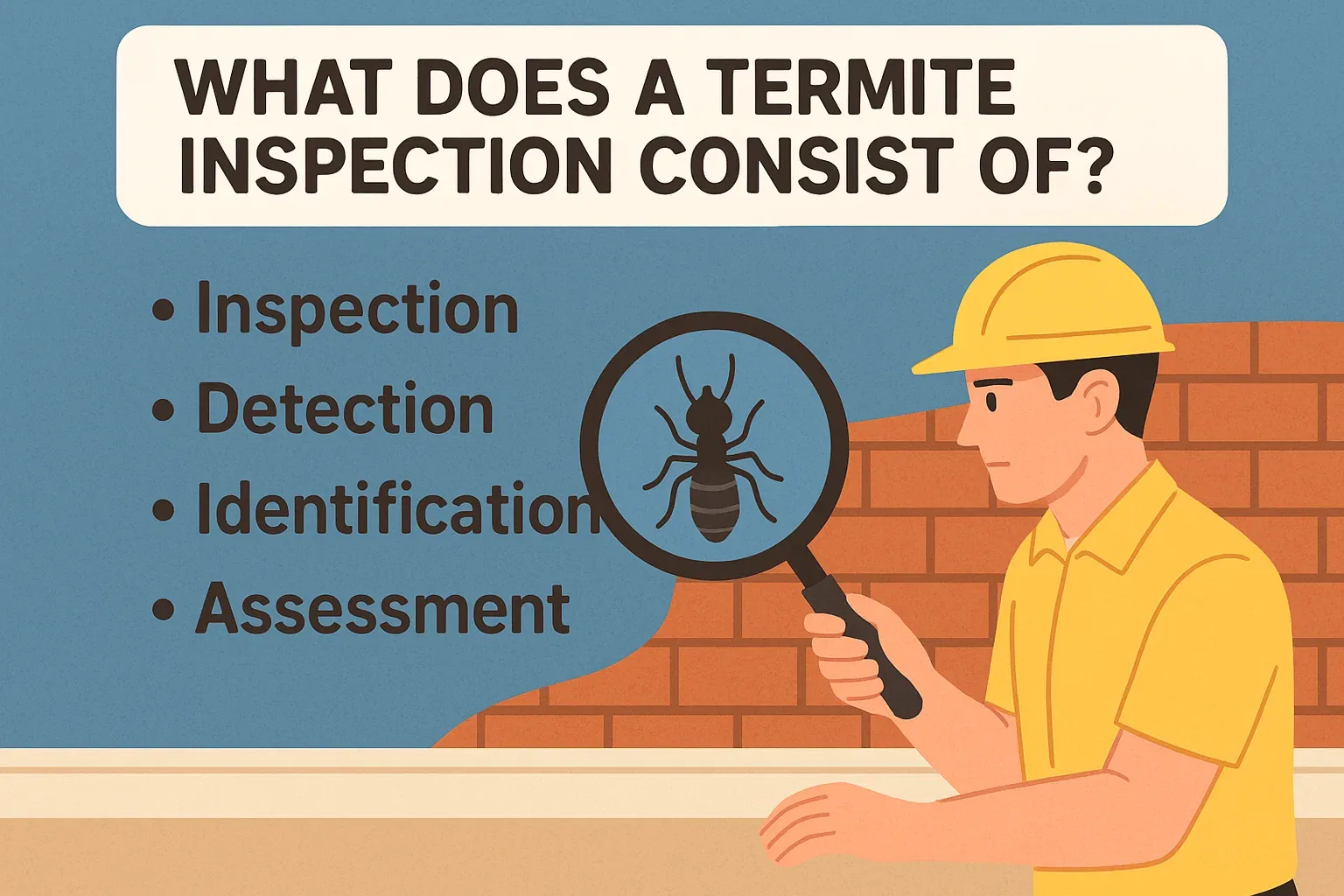
When it comes to maintaining the structural integrity of your home, one silent enemy poses a greater threat than storms or floods—termites. These tiny pests can chew through wood, drywall, and even wallpaper undetected for years. That’s why regular termite inspections are crucial, whether you’re a homeowner, real estate investor, or a buyer looking to close a property deal.
But what does a termite inspection consists of? In this comprehensive guide, we break down the entire process of termite inspection—from preparation to final report—so you can protect your investment and act quickly if any infestation is detected.
We locate and identify termites and get you the WDO report your lender needs — free for VA buyers.
Termite & WDO Inspection → Call (239) 826-5866What Is a Termite Inspection?
A termite inspection is a detailed examination of a property performed by a licensed pest control professional to detect signs of termite activity, potential infestations, or structural damage caused by termites. Termites are silent invaders that can chew through wood, flooring, drywall, and even insulation, often going unnoticed until significant damage has been done.
During an inspection, the expert will assess both the interior and exterior areas of the property, looking for visible evidence such as mud tubes, hollow-sounding wood, discarded wings, or frass (termite droppings). This process not only identifies current infestations but also evaluates risk factors, such as excess moisture, wood-to-soil contact, or structural vulnerabilities, that could attract termites in the future.
Inspections are especially crucial for homebuyers during real estate transactions, as they help determine if a home is safe and structurally sound. In most cases, the inspector provides a written report outlining findings, affected areas, and recommended treatment or prevention steps. A termite inspection is a proactive measure to protect one of your most valuable investments—your home.
What Areas Do Termite Inspectors Inspect?
Termite inspectors conduct thorough evaluations of both the interior and exterior of a property to identify any signs of termite activity or conditions that could attract infestations. Key areas inside the home include basements, crawl spaces, attics, and utility rooms—places where wood is exposed or moisture is present.
Inspectors often check around baseboards, window sills, door frames, cabinets, and behind appliances, where termites may leave behind mud tubes, damaged wood, or droppings. On the exterior, they examine the foundation, siding, roof eaves, decks, porches, and any wooden structures in contact with the ground, such as fences or trellises.
Soil lines near the foundation and landscaping features are carefully evaluated for subterranean termite entry points. Garages, sheds, and other detached structures are also included, especially if they contain wooden components. The goal is to uncover not only existing infestations but also conditions like excess moisture or wood-to-soil contact that make a home more vulnerable to termites.
What Preparations Are Necessary Before a Termite Inspection?
Preparing your home for a termite inspection ensures that the inspector can thoroughly access all necessary areas and identify signs of infestation without obstructions. Proper preparation also helps speed up the process and improve the accuracy of the results.
Homeowners should start by clearing access to key areas of the home, especially those where termites are most likely to thrive—such as basements, crawl spaces, attics, and garages. Move stored items, boxes, or furniture at least 2–3 feet away from walls to allow inspectors to examine baseboards and foundation edges.
It’s also important to ensure that access panels to crawl spaces and attics are not blocked and can be opened easily. Clear out cabinets under sinks in bathrooms, kitchens, and laundry areas, as inspectors will check for moisture sources and potential wood damage near plumbing. Outside the home, trim vegetation that touches the house, move wood piles, and remove mulch or debris that may obstruct the foundation perimeter.
What Are Termite Inspectors Looking For?
Termite inspectors are primarily looking for any signs of active termite infestations, previous termite damage, and environmental conditions that may contribute to future infestations. During the inspection, they search for visible indicators such as mud tubes, which subterranean termites use to travel between their nests and food sources. These tubes are often found along foundation walls, crawl spaces, or inside basements.
Inspectors also examine wooden structures for hollow sounds or blistered surfaces, which could indicate internal damage caused by termites feeding within the wood. Additionally, they look for discarded wings from swarming termites—usually found near window sills, doors, or light fixtures—and small piles of termite droppings, known as frass, which resemble tiny wood-colored pellets.
Beyond active signs, inspectors evaluate high-risk areas, such as those with excessive moisture, wood-to-soil contact, or improper drainage around the home’s perimeter. These conditions can create an inviting environment for termites. The ultimate goal is to identify any current termite activity, assess structural vulnerabilities, and recommend preventive or corrective measures to protect the property.
Is the Termite Inspection Cost Worth It?
Yes, the cost of a termite inspection is worth it—especially when you consider the potential consequences of undetected infestations. Termites are known as “silent destroyers” because they can quietly damage the structural integrity of a home over time, often without obvious warning signs. A professional termite inspection, typically costing between $75 and $150, can uncover early signs of termite activity or risk factors before they escalate into costly repairs that can range from hundreds to thousands of dollars.
For homeowners, a routine termite inspection offers peace of mind and serves as a preventative measure to protect one of your most valuable assets. For homebuyers, especially during a real estate transaction, the inspection can uncover hidden termite damage that may affect the value or safety of the property. In many cases, mortgage lenders and insurance providers even require termite inspections before finalizing contracts, making them a critical part of the due diligence process.
Moreover, inspectors not only look for active infestations but also assess conditions like moisture accumulation, wood-to-soil contact, and structural vulnerabilities that could lead to future problems. Identifying these issues early enables homeowners to take preventative steps, potentially avoiding severe damage and higher extermination costs later on. Compared to the financial and structural risks of ignoring the problem, the relatively low cost of a termite inspection is a smart and worthwhile investment.
How Often Should I Schedule a Termite Inspection?
Homeowners should ideally schedule a termite inspection once every year to ensure early detection of any termite activity or conducive conditions that might lead to an infestation. Annual inspections are considered the industry standard because termites can cause significant damage in a relatively short period—often before visible signs appear.
In regions with high humidity or warmer climates, such as the southeastern or southwestern United States, where termite activity is more aggressive, experts often recommend more frequent checks, sometimes every six months. If your property has a history of termite problems or has recently undergone treatment, follow-up inspections every few months during the first year are essential to confirm that the infestation has been fully eradicated and to monitor for recurrence.
Homes with crawl spaces, wooden decks, poor drainage, or nearby wooded areas are at higher risk and may benefit from more frequent evaluations. Even if there are no known issues, regular inspections offer peace of mind and can help you catch early warning signs—saving thousands in potential structural repairs.
How Often Do Termite Inspectors Come Inside?
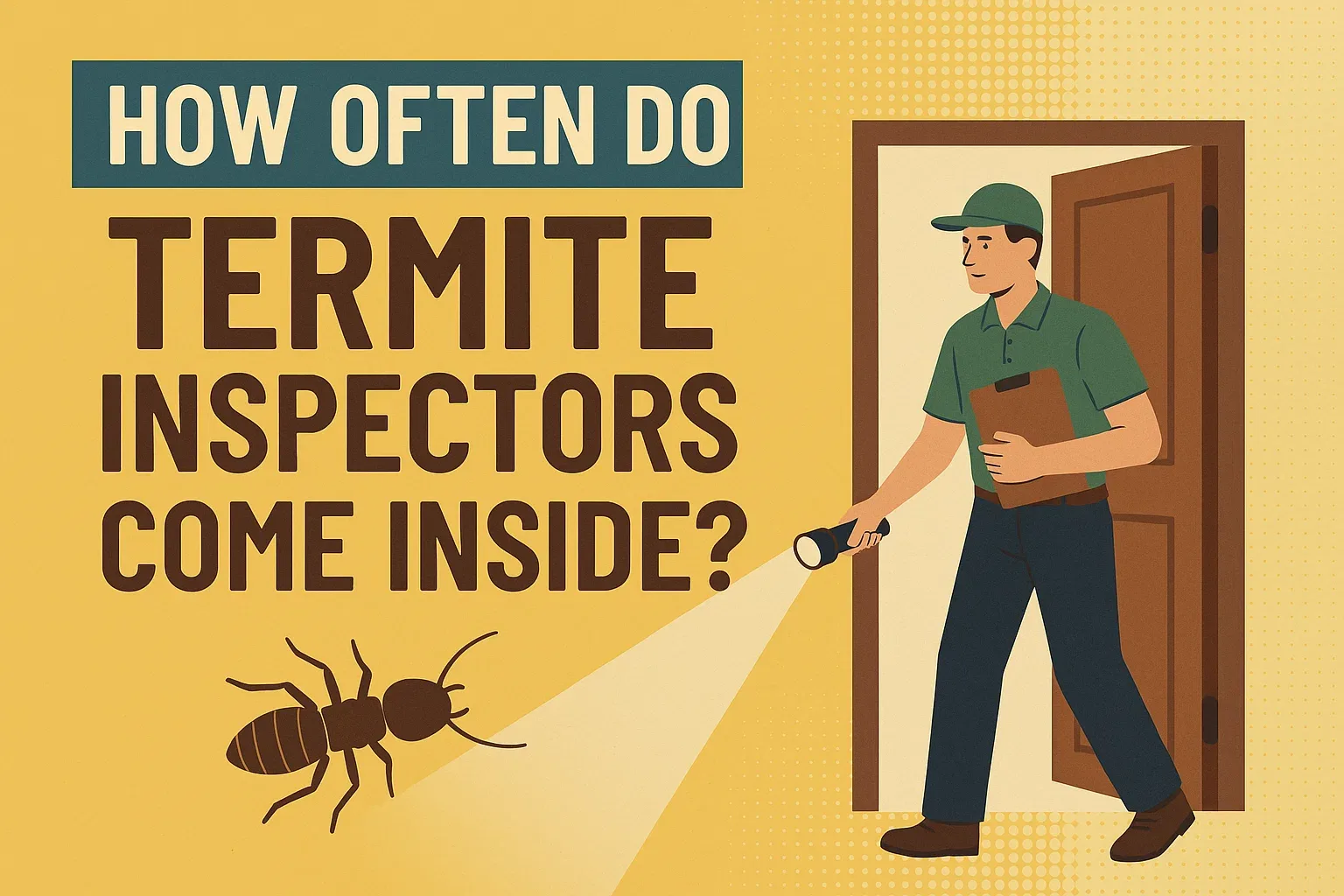
Termite inspectors typically come inside a home during a scheduled annual inspection, which is the standard frequency recommended for most residential properties. These yearly visits allow inspectors to thoroughly assess interior areas such as basements, attics, crawlspaces, utility rooms, and around plumbing fixtures for signs of termite activity or conditions that could attract termites.
However, if the property is located in a high-risk area—such as regions with warm, humid climates or a history of infestations—inspections may be recommended more frequently, sometimes every six months. Additionally, if a home is under a termite protection plan or warranty, professional pest control companies may conduct quarterly or biannual inspections to ensure that no new activity has developed and that any preventive treatments remain effective.
During each visit, access to the interior is vital for a comprehensive evaluation, and inspectors often rely on visual cues like mud tubes, damaged wood, or frass to identify problems early. Regular interior inspections help protect the structure from costly termite damage and are an essential part of ongoing home maintenance.
Termite Inspection for Home Purchase
A termite inspection for a home purchase is a vital step in ensuring the property you’re investing in is free from hidden structural damage caused by termites or other wood-destroying organisms. Conducted by a licensed pest control professional, this inspection thoroughly examines both the interior and exterior of the home—including basements, attics, crawlspaces, garages, and wooden structures—for signs of active infestations, past termite activity, or conditions that could lead to future problems, such as moisture buildup or wood-to-soil contact.
The inspector looks for visible evidence like mud tubes, discarded wings, hollow-sounding wood, or frass (termite droppings), and documents any findings in a detailed report. This report plays a critical role in real estate transactions, often being required by mortgage lenders—especially for government-backed loans like VA or FHA. A favorable termite inspection report provides peace of mind for buyers and may be necessary for the sale to proceed.
If termites or damage are discovered, buyers can request remediation or negotiate with the seller for repairs or a price adjustment before closing. By identifying potential issues early, a termite inspection protects your investment and ensures you’re not taking on unexpected repair costs after the purchase is finalized.
Final Points on Termite Home Inspection
A termite home inspection is a critical part of maintaining property value, especially during a home purchase or sale. Whether you’re a homeowner, buyer, or seller, this inspection ensures that the structure is free from hidden termite infestations or damage that could compromise safety and lead to expensive repairs.
It involves a detailed assessment by a certified inspector who examines both the interior and exterior of the property, checking areas like crawlspaces, basements, attics, wooden frames, and other vulnerable zones for signs of termites or conditions conducive to their activity. One of the final and most important points to remember is that a termite inspection is not just a one-time task.
Regular annual inspections are recommended to ensure ongoing protection, particularly in termite-prone regions. If you’re buying a home, a clean termite inspection report is crucial for loan approval and peace of mind. For sellers, having a recent report can make your property more attractive to buyers. Additionally, termite treatment and prevention plans can be implemented after the inspection to ensure long-term defense.
Conclusion
In conclusion, a termite inspection is not merely a box to check during a real estate transaction—it is a proactive and essential safeguard for your property’s long-term health and value. Whether you are purchasing a new home, selling your current one, or simply maintaining your residence, regular termite inspections help uncover hidden infestations, assess vulnerabilities, and provide actionable steps to prevent costly structural damage. From evaluating attics and crawlspaces to identifying moisture-prone areas and signs of termite activity, these inspections deliver peace of mind and allow homeowners to act before a minor issue becomes a major problem.
FAQS
FAQ 1: Can I perform a termite inspection myself?
While homeowners can perform a basic visual check for signs of termites, a self-inspection is not a substitute for a professional evaluation. Termite activity often occurs in hidden areas like inside walls, beneath floors, or within crawl spaces—places that require specialized tools and experience to inspect thoroughly. Certified termite inspectors are trained to recognize subtle indicators of infestation and damage that the untrained eye may miss. Additionally, only licensed professionals can issue official inspection reports, which are typically required for real estate transactions and insurance claims.
FAQ 2: How long does a termite inspection take?
A standard termite inspection usually takes between 45 minutes to 2 hours, depending on the size of the property, accessibility of key areas, and the level of existing clutter. Larger homes or those with multiple structures (like detached garages or sheds) may require additional time. If signs of infestation are found, the inspector may spend extra time documenting the issue and discussing treatment options with the homeowner. Preparing your home in advance—by clearing access points and reducing obstructions—can help expedite the inspection process.
FAQ 3: What tools do termite inspectors use during the inspection?
Termite inspectors utilize a combination of visual observation and specialized tools to conduct a thorough evaluation. Common tools include:
- Moisture meters – to detect damp wood, which is attractive to termites.
- Flashlights and mirrors – to inspect dark or hard-to-reach corners.
- Probing tools or screwdrivers – to test the strength and integrity of wood.
- Infrared cameras or thermal imaging (used by some advanced inspectors) – to detect hidden moisture or heat patterns associated with termite colonies.
These tools help improve detection accuracy, especially in areas where visual signs might be subtle or concealed.
FAQ 4: Are termite inspections covered by homeowners insurance?
Generally, homeowners insurance does not cover termite inspections or termite damage. Insurance providers typically classify termite infestations as a maintenance issue rather than a sudden, unforeseen event. As such, the responsibility for routine termite prevention and inspections falls on the homeowner. However, some pest control companies offer warranty or protection plans that include annual inspections and coverage for treatment if termites are discovered during the plan period. It’s advisable to check with your pest control provider and insurance agent for coverage options and plan compatibility.
Home Inspection Services Across Florida
PatriotInspect delivers certified, trusted, and location-specific inspection services across Southwest Florida and Miami-Dade County.
Four Point Inspection – Fort Myers
Insurance-focused inspection for roofing, plumbing, electrical, and HVAC systems.
Home Inspection – Fort Myers
Complete home inspection services for buyers, sellers, and homeowners.
Mold Inspection – Fort Myers
Professional mold inspections for moisture-related issues and indoor air quality.
Wind Mitigation – Fort Myers
Identify wind-resistant features that may help reduce insurance premiums.
Home Inspection – Cape Coral
Certified and trusted home inspections tailored for Cape Coral properties.
Four Point Inspection – Cape Coral
Insurance-required inspections for Florida homes.
Wind Mitigation – Cape Coral
Wind mitigation inspections to support insurance discounts.
Condo Inspection – Cape Coral
Focused inspections for condo units and shared systems.
Mold Inspection & Testing – Cape Coral
Advanced mold testing and inspection services.
Condo Inspection – Naples
Detailed condo inspections for Naples homeowners and buyers.
Four Point Inspection – Naples
Insurance-focused system inspections.
Mold Inspection & Testing – Naples
Humidity-related mold inspections and testing services.
Wind Mitigation – Naples
Wind-resistant feature verification for insurance savings.
Home Inspection – Bonita Springs
Comprehensive inspections for buyers and sellers.
Four Point Inspection – Bonita Springs
Insurance-required inspection for key home systems.
Wind Mitigation – Bonita Springs
Wind mitigation reports to help lower insurance costs.
Mold Inspection & Testing – Bonita Springs
Mold detection and moisture assessment services.
Condo Inspection – Bonita Springs
Specialized condo inspections for interior systems.
Home Inspection – Marco Island
Full property inspections for coastal homes.
Four Point Inspection – Marco Island
System-focused inspections for insurance needs.
Wind Mitigation – Marco Island
Storm-resistance inspections for coastal properties.
Condo Inspection – Marco Island
Condo inspections focused on unit-specific systems.
Mold Testing – Marco Island
Professional mold testing for indoor air quality concerns.
Radon Testing – Marco Island
Accurate radon testing for long-term health protection.
Home Inspection – Miami-Dade County
Trusted home inspection services across Miami-Dade County.
Four Point Inspection – Miami-Dade County
Insurance-focused inspections for key home systems.
Mold Inspection & Testing – Miami-Dade County
Mold detection services for humid environments.
Condo Inspection – Miami-Dade County
Certified condo inspections for urban and coastal properties.
Find Patriot's answers first in Google: make patriotinspect.com a preferred source.