Navigating the world of property inspections in Florida requires understanding the required inspector licensing process, which ensures that only qualified professionals evaluate homes and buildings. Whether you are aiming to become an InterNACHI certified inspector or meet MySafeFloridaHome inspector requirements, obtaining proper credentials is essential for credibility and legal compliance.
Florida has strict home inspection regulations that protect homeowners and buyers, while licensed property inspectors gain access to advanced training, certification programs, and insurance opportunities. Following the correct inspector training courses Florida helps aspiring inspectors pass exams, maintain continuing education, and operate successfully in competitive markets, including areas like Naples FL.
Understanding Inspector Licensing in Florida
Florida requires that all property inspectors obtain a valid license to ensure the safety, legality, and reliability of property evaluations. Licensing is crucial because it protects homeowners, buyers, and lenders from potential errors or fraudulent reports. A licensed inspector follows Florida inspection standards and adheres to state regulations, ensuring consistent and accurate reporting.
Without a valid license, inspectors face legal risks, fines, and possible exclusion from the market. For those working in Naples FL, obtaining proper licensing increases credibility and trust with clients, particularly when handling high-value properties.
The process of becoming a home inspector license Florida professional involves completing approved training programs, passing state exams, and meeting ethical standards set by the licensing authorities. These requirements prevent unqualified individuals from conducting inspections that could result in structural misinterpretation, safety hazards, or insurance disputes.
Licensing also enables inspectors to access programs like MySafeFloridaHome inspector requirements and opportunities that are unavailable to unlicensed professionals. Beyond legality, licensing demonstrates professionalism and a commitment to continuous learning through inspector continuing education.
Why Licensing is Important for Inspectors
Licensing is the backbone of a reputable inspection business. A licensed property inspector demonstrates expertise in building systems, structural integrity, and safety codes, reducing the risk of lawsuits and financial liabilities
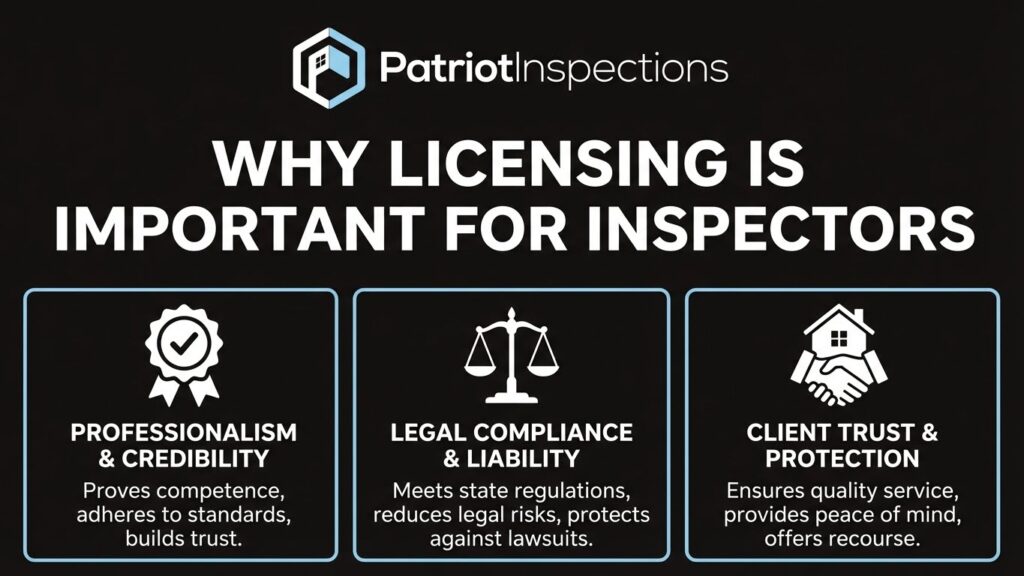
It also allows inspectors to participate in programs offering insurance incentives to homeowners. Clients recognize the value of hiring a licensed professional who can legally assess properties and provide credible documentation. Licensing also creates career pathways, allowing inspectors to specialize in areas like wind mitigation or commercial inspections. This structured recognition is essential for maintaining high standards in Florida’s competitive inspection industry.
Overview of Licensing Organizations
Several organizations oversee licensing and certification for inspectors in Florida, ensuring compliance with state laws and safety standards. Programs like InterNACHI certification and the MySafeFloridaHome licensing program provide structured training, testing, and continuing education to maintain high-quality inspections.
These organizations support inspectors in keeping up-to-date with evolving codes and provide resources for professional development. Understanding the scope of each organization helps inspectors choose the most appropriate path based on their career goals and the services they intend to offer.
Each licensing program has unique features and benefits. InterNACHI certified inspector programs emphasize professional growth, nationwide recognition, and a wide range of inspection areas. MySafeFloridaHome inspector requirements are designed for Florida-specific wind mitigation inspections, linking certification to insurance benefits for homeowners. Inspectors in Naples FL must understand these differences to align their services with client needs, meet legal requirements, and maximize earning potential in the competitive Florida market.
InterNACHI Certification
InterNACHI certification offers extensive courses covering home inspection procedures, structural assessments, electrical and plumbing systems, and safety standards. Completing these courses and passing the associated exams validates an inspector’s competence and professionalism.
Benefits of InterNACHI certification include access to continuing education, industry tools, and a network of professionals. This program allows inspectors to expand their services and gain recognition nationwide while following Florida inspection certification guidelines.
MySafeFloridaHome Licensing Program
The MySafeFloridaHome licensing program is tailored to Florida inspectors who perform wind mitigation and insurance-related inspections. This program not only provides required training but also helps inspectors understand building codes that affect insurance eligibility.
Certification enables inspectors to document property conditions accurately, assisting homeowners in obtaining insurance discounts. For inspectors operating in Naples FL, this program is essential for meeting local market demands and complying with home inspection regulations Florida.
Steps to Obtain Inspector Licensing
Obtaining a building inspection license in Florida involves a structured and multi-step process. Candidates must first complete approved educational programs covering building systems, safety standards, structural evaluation, and legal requirements.
Hands-on experience under supervision is also required to develop practical skills and familiarity with reporting protocols. This combination of theory and practice ensures that inspectors are fully prepared to assess properties accurately and ethically, meeting inspector exam requirements Florida and state standards.
After completing education and training, inspectors must pass examinations and receive certifications from recognized programs like InterNACHI or MySafeFloridaHome. Exams evaluate knowledge of building codes, inspection procedures, and ethical reporting practices.
Successful candidates become licensed property inspectors who can legally operate across Florida, including Naples FL. Following the step-by-step inspector licensing process ensures career legitimacy, protects clients, and establishes long-term professional credibility.
Education and Training Requirements
Required training includes approved inspector training courses Florida, focusing on structural systems, roofing, electrical and plumbing components, and safety protocols. Hands-on experience under supervision develops inspection skills essential for accurate reporting. Completion of these courses is mandatory before becoming eligible for licensing exams, ensuring all inspectors meet Florida home inspector licensing guidelines.
Exams and Certifications
Examinations test an inspector’s knowledge of state codes, standards, and reporting accuracy. Certifications from InterNACHI or MySafeFloridaHome validate expertise, enabling inspectors to conduct legal inspections. Passing these exams is critical for obtaining a licensed property inspector status recognized across Florida.
Renewal and Continuing Education
Maintaining a license is as important as obtaining one. Florida inspectors must renew their credentials periodically, completing continuing education courses to stay current with building codes, inspection techniques, and safety regulations. This process ensures inspectors provide consistent, high-quality services and maintain compliance with licensing renewal and continuing education in Florida requirements.
Regular learning prevents errors, improves reporting accuracy, and allows inspectors to adapt to industry changes.
Continuing education is also essential for career advancement. Inspectors gain knowledge in specialized areas such as wind mitigation, commercial inspections, or energy efficiency. Staying updated increases marketability and client trust, particularly in Naples FL, where property evaluations often impact insurance coverage and real estate transactions. Engaging in ongoing education ensures long-term success and professional growth in a competitive industry.
How to Maintain Your License
Maintaining a license involves completing required continuing education, documenting inspection experience, and submitting timely renewals. Neglecting these responsibilities can result in suspension or revocation, emphasizing the need for structured, ongoing professional development. Proper maintenance also ensures compliance with home inspector legal and liability requirements.
Differences Between InterNACHI and MySafeFloridaHome
InterNACHI and MySafeFloridaHome cater to different needs within the Florida inspection industry. InterNACHI offers a wide range of courses that cover all aspects of home inspections, including structural systems, electrical, plumbing, roofing, and safety protocols. It is recognized nationwide and provides inspectors with professional tools, continuing education, and networking opportunities.
MySafeFloridaHome, on the other hand, focuses primarily on wind mitigation and insurance-related inspections, helping homeowners qualify for insurance discounts. Inspectors choosing between the two programs must weigh whether they want broader certification for multiple inspection types or a Florida-specific credential that serves homeowners directly.
The differences extend to exam requirements, fees, and ongoing education. InterNACHI certified inspector programs emphasize national standards and general inspection practices, while MySafeFloridaHome inspector requirements are closely tied to Florida building codes and insurance documentation.
For inspectors working in Naples FL, understanding these distinctions is crucial because it determines which program aligns better with local market demands. Selecting the right certification affects career growth, client trust, and the ability to offer specialized services in high-demand areas.
Choosing the Right Program
Selecting a licensing program depends on the inspector’s professional goals and target market. InterNACHI is ideal for those seeking a nationwide presence and broad inspection expertise, whereas MySafeFloridaHome suits those who focus on insurance inspections or wind mitigation. Considering local client needs in Naples FL ensures inspectors invest in a program that maximizes their credibility, efficiency, and income potential while complying with Florida home inspector licensing guidelines.
Insurance and Liability Requirements for Licensed Inspectors
Licensing alone is not sufficient to protect inspectors or their clients from potential risks. Florida law requires inspectors to carry liability insurance to cover property damage, accidents, or claims of negligence. Additionally, errors and omissions insurance for inspectors provides coverage when mistakes occur in reporting or documentation. Combining these policies with a valid license ensures inspectors can operate safely, responsibly, and legally while reducing financial exposure.
Insurance requirements vary depending on the type of inspections performed. For example, general liability protects against accidents during inspections, while errors and omissions insurance protects against mistakes in the written report. These safeguards are critical for inspectors working in Naples FL, where properties can be high-value, and insurance requirements are stringent. Meeting insurance obligations complements the licensing process and demonstrates professionalism to clients and insurance companies alike.
Types of Insurance Needed
Inspectors typically require general liability, professional liability, and wind mitigation insurance. These policies protect the inspector’s business and clients from unforeseen damages or errors. Maintaining adequate coverage is as important as renewing the license itself and supports compliance with home inspector legal and liability requirements.
Key Steps to Achieve Required Inspector Licensing in Florida
- Complete approved inspector training courses Florida covering structural, electrical, plumbing, and safety systems.
- Gain practical, supervised experience performing home inspections under a certified inspector.
- Pass state-recognized inspector exam requirements Florida to validate your knowledge and skills.
- Obtain certification from InterNACHI or MySafeFloridaHome based on your target market and specialization.
- Maintain continuing education credits to comply with Florida licensing renewal requirements.
- Secure general liability and errors and omissions insurance for inspectors to protect your business.
- Stay updated with Florida home inspector licensing guidelines and regional building codes.
Common Challenges in Obtaining Licensing
Many aspiring inspectors encounter obstacles when trying to obtain a license. Incomplete applications, missing documentation, and failure to complete required training or exams are common issues. These mistakes can lead to delays, additional costs, or even rejection of the license application. Understanding all requirements before starting the process is critical for success.
Florida’s licensing rules and program-specific regulations are detailed and sometimes complex. Inspectors must carefully follow guidelines, meet continuing education standards, and document hands-on experience accurately. For inspectors serving Naples FL, regional building codes, insurance criteria, and wind mitigation standards are additional layers that must be considered. Proper preparation and attention to detail prevent unnecessary setbacks and ensure a smooth licensing process.
Mistakes to Avoid
Common mistakes include neglecting mandatory training, failing to take state-approved exams, and ignoring continuing education requirements. Avoiding these pitfalls is essential to maintain uninterrupted licensure and establish a reliable professional reputation in Florida’s inspection industry
Benefits of Being a Licensed Inspector
Licensing provides inspectors with legal authority to operate, enhances professional credibility, and opens doors to higher-paying contracts. It assures clients that inspections are conducted by qualified professionals who follow Florida inspection standards. Licensed inspectors also gain access to programs like MySafeFloridaHome, which can increase market demand and provide additional revenue streams through insurance-related inspections.
Licensed property inspectors enjoy career stability, opportunities for specialization, and long-term business growth. In Naples FL, proper licensing helps attract clients seeking trusted professionals, builds a strong reputation, and enables inspectors to expand into residential, commercial, and insurance-focused inspections. Overall, licensing is a crucial investment for career longevity and professional success.
Business and Career Advantages
Obtaining a license allows inspectors to operate legally across Florida, participate in national certification programs, and offer specialized inspections. It improves client confidence, increases earning potential, and supports networking with other professionals. Licensing is also essential for expanding services and staying competitive in a fast-growing real estate market.
Comparison of Licensing Programs
| Feature | InterNACHI | MySafeFloridaHome |
| Scope of Certification | Nationwide Home Inspections | Florida Wind Mitigation |
| Continuing Education | Required annually | Required annually |
| Insurance Eligibility | Optional | Linked to homeowner insurance discounts |
| Exam Requirement | Yes | Yes |
| Recognition | Nationally recognized | State-specific |
Summary of Licensing Steps and Requirements
The process to obtain and maintain a license involves completing approved education and training, gaining hands-on experience, passing state-recognized exams, obtaining certifications from InterNACHI or MySafeFloridaHome, maintaining continuing education, and securing adequate insurance coverage. Inspectors must comply with Florida inspection standards, understand building codes, and follow legal and ethical requirements. This structured approach ensures inspectors provide accurate assessments, protect clients, and build a reputable business.
Conclusion
Required inspector licensing in Florida is essential for both legal compliance and professional credibility. Programs like InterNACHI and MySafeFloridaHome provide the training, certification, and support inspectors need to meet Florida’s high standards. Licensing protects homeowners, ensures accurate inspections, and opens opportunities for specialized inspections, insurance benefits, and career growth.
Inspectors who follow proper licensing procedures, maintain continuing education, and carry appropriate insurance can operate confidently in Naples FL and across the state. Staying informed, diligent, and prepared is the key to success in Florida’s competitive inspection industry.
FAQs
Q1: What is required inspector licensing in Florida?
It is a state-mandated certification ensuring inspectors meet safety, legal, and professional standards.
Q2: How do I become a licensed home inspector in Florida?
Complete approved training, pass exams, and obtain certification through programs like InterNACHI or MySafeFloridaHome.
Q3: What are the benefits of InterNACHI certification?
It provides national recognition, advanced training, continuing education, and access to professional tools and resources.
Q4: What is the MySafeFloridaHome program?
It certifies inspectors for wind mitigation and insurance-related inspections, helping homeowners qualify for discounts.
Q5: How often must inspectors renew their license?
Licenses must be renewed periodically, including completing continuing education to stay compliant with Florida regulations.
Q6: Is insurance required for licensed inspectors?
Yes, inspectors need general liability and errors and omissions insurance to protect themselves and clients.
Q7: Can I operate without a license in Florida?
No, unlicensed inspection is illegal and can result in fines, legal action, or exclusion from the industry.
Q8: What are common mistakes when applying for a license?
Missing training, incomplete applications, failing exams, or neglecting continuing education requirements.
Q9: Which program is better, InterNACHI or MySafeFloridaHome?
InterNACHI is ideal for nationwide certification; MySafeFloridaHome focuses on Florida-specific insurance inspections.
Q10: How does licensing benefit my inspection business in Naples FL?
It enhances credibility, allows legal operation, attracts clients, and supports growth in residential and commercial inspections.
Home Inspection Services Across Florida
PatriotInspect delivers certified, trusted, and location-specific inspection services across Southwest Florida and Miami-Dade County.
Four Point Inspection – Fort Myers
Insurance-focused inspection for roofing, plumbing, electrical, and HVAC systems.
Home Inspection – Fort Myers
Complete home inspection services for buyers, sellers, and homeowners.
Mold Inspection – Fort Myers
Professional mold inspections for moisture-related issues and indoor air quality.
Wind Mitigation – Fort Myers
Identify wind-resistant features that may help reduce insurance premiums.
Home Inspection – Cape Coral
Certified and trusted home inspections tailored for Cape Coral properties.
Four Point Inspection – Cape Coral
Insurance-required inspections for Florida homes.
Wind Mitigation – Cape Coral
Wind mitigation inspections to support insurance discounts.
Condo Inspection – Cape Coral
Focused inspections for condo units and shared systems.
Mold Inspection & Testing – Cape Coral
Advanced mold testing and inspection services.
Condo Inspection – Naples
Detailed condo inspections for Naples homeowners and buyers.
Four Point Inspection – Naples
Insurance-focused system inspections.
Mold Inspection & Testing – Naples
Humidity-related mold inspections and testing services.
Wind Mitigation – Naples
Wind-resistant feature verification for insurance savings.
Home Inspection – Bonita Springs
Comprehensive inspections for buyers and sellers.
Four Point Inspection – Bonita Springs
Insurance-required inspection for key home systems.
Wind Mitigation – Bonita Springs
Wind mitigation reports to help lower insurance costs.
Mold Inspection & Testing – Bonita Springs
Mold detection and moisture assessment services.
Condo Inspection – Bonita Springs
Specialized condo inspections for interior systems.
Home Inspection – Marco Island
Full property inspections for coastal homes.
Four Point Inspection – Marco Island
System-focused inspections for insurance needs.
Wind Mitigation – Marco Island
Storm-resistance inspections for coastal properties.
Condo Inspection – Marco Island
Condo inspections focused on unit-specific systems.
Mold Testing – Marco Island
Professional mold testing for indoor air quality concerns.
Radon Testing – Marco Island
Accurate radon testing for long-term health protection.
Home Inspection – Miami-Dade County
Trusted home inspection services across Miami-Dade County.
Four Point Inspection – Miami-Dade County
Insurance-focused inspections for key home systems.
Mold Inspection & Testing – Miami-Dade County
Mold detection services for humid environments.
Condo Inspection – Miami-Dade County
Certified condo inspections for urban and coastal properties.