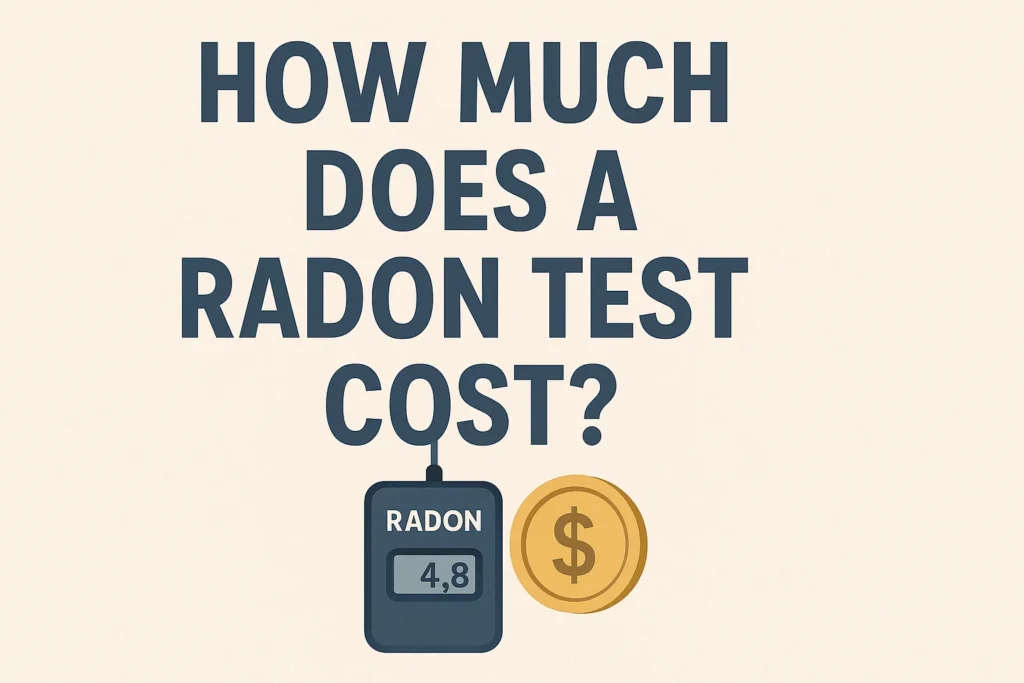
Radon is an invisible, odorless, radioactive gas that naturally occurs from the breakdown of uranium in soil, rock, and water. It can seep into homes through cracks in foundations, crawlspaces, or basement floors. Prolonged exposure to high radon levels is a leading cause of lung cancer, especially among non-smokers.
Due to its serious health implications, the Environmental Protection Agency (EPA) recommends testing homes for radon, especially during real estate transactions or in regions identified as high-risk. Radon testing provides peace of mind and ensures a safe living environment.
But one common question arises: “How much does a radon test cost?” The answer depends on various factors, including the type of test, who performs it, the property size, and your location. This comprehensive guide breaks down every cost detail associated with radon testing—whether you’re a homeowner, buyer, or seller preparing for an inspection.
How Can I Fix a Radon Problem?
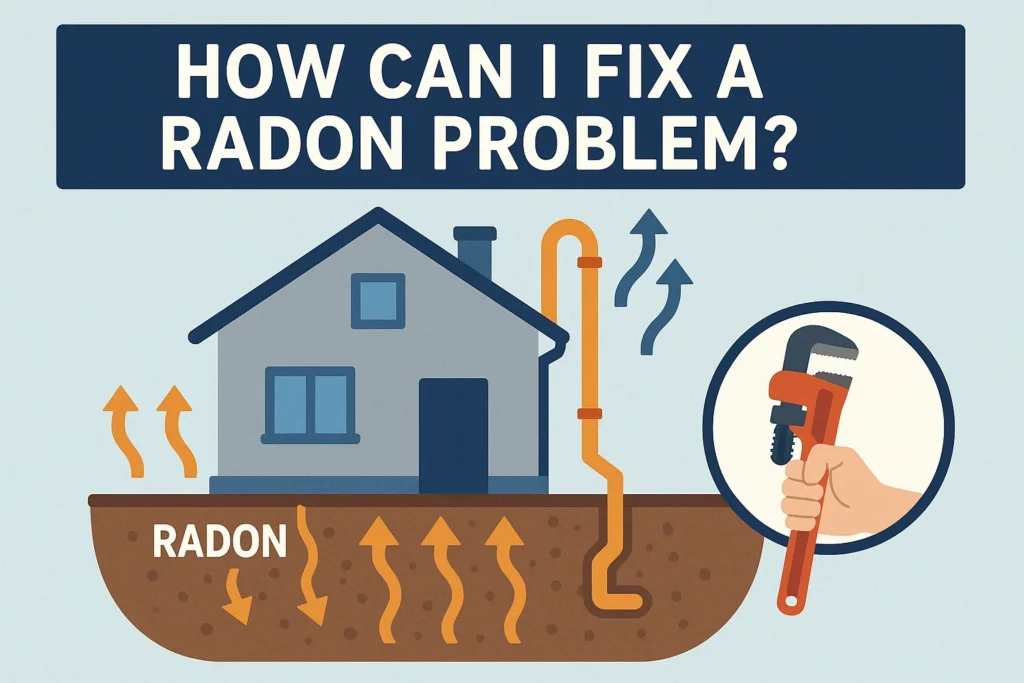
Fixing a radon problem, also known as radon mitigation, involves reducing the concentration of radon gas inside a building to safe levels. The most effective and commonly used method is called sub-slab depressurization. This system works by installing a vent pipe and fan to draw radon gas from beneath the home’s foundation and safely expel it outside, away from windows and openings. This method prevents radon from entering the home in the first place and is effective for most residential properties.
For homes with crawl spaces, techniques like sub-membrane depressurization are used. This involves placing a durable plastic sheet over the soil and using a vent pipe and fan to extract radon from beneath the sheet. Sealing cracks in the foundation, floors, and walls can also help limit radon entry, but sealing alone is not considered a reliable solution and is typically used in combination with other methods.
Professional radon mitigation contractors are trained to assess the unique layout of your home and recommend the most suitable solution. After installation, a follow-up radon test should be conducted to ensure the system is effectively reducing radon levels. Regular monitoring is essential, as radon levels can fluctuate over time due to changes in weather, soil pressure, or structural modifications to the building. Fixing a radon problem is both possible and essential for maintaining a healthy indoor environment.
Home Inspection and Radon Testing
Home inspection and radon testing often go hand-in-hand, especially during real estate transactions or when assessing the overall condition of a property. A standard home inspection covers structural components, electrical systems, plumbing, HVAC, roofing, and more—but it typically does not include radon testing unless specifically requested.
Since radon is a serious health hazard and cannot be detected by sight or smell, many homebuyers and homeowners choose to include radon testing as an add-on service during a home inspection. Doing so ensures a more comprehensive understanding of the home’s safety and environmental conditions. Adding radon testing during a home inspection offers several benefits.
First, it’s cost-effective; many inspectors offer discounted packages when both services are bundled. Second, it saves time—since the inspector is already on-site, the radon test can be initiated simultaneously. Third, if elevated radon levels are detected, it provides leverage for negotiation or requests for mitigation before closing the deal. In short, combining a home inspection with radon testing gives buyers and sellers alike greater confidence in the property’s safety, compliance, and long-term livability.
Radon Testing Cost Factors
Understanding what influences the cost of radon testing can help you make informed decisions. Here are six key factors that affect how much you might pay for a radon test:
- Type of Radon Test
There are short-term and long-term radon tests. Short-term tests (lasting 2–7 days) are cheaper and typically cost between $10 and $50 for DIY kits. Long-term tests (over 90 days) provide more accurate readings and usually require professional equipment, costing between $150 and $300. - DIY vs. Professional Testing
DIY test kits are more affordable but may lack accuracy or regulatory approval. Professional testing services offer certified technicians and lab analysis, usually ranging from $100 to $300, depending on the scope of work. - Home Size and Layout
Larger homes or those with multiple foundation types (like basements and crawl spaces) may require multiple testing devices. This increases both material and labor costs for professional services. - Geographic Location
Radon levels vary by region. In high-radon areas or regions with strict building codes (like certain states in the U.S.), demand for testing is higher—often driving up prices. - Bundled Services with Home Inspection
If you are buying or selling a home, bundling radon testing with a general home inspections Naples Fl can reduce costs. Some inspectors offer package deals, potentially saving you $50 to $100 or more. - Urgency and Test Duration
Faster results often come at a premium. If you need expedited lab results or short-term testing for real estate deals, you might pay more compared to slower, long-term test setups.
Each of these factors plays a role in determining how much you’ll spend, so consider your specific needs before choosing a testing method.
How to Save Money on Radon Inspection Cost?
Saving money on radon inspection costs is possible without compromising safety or accuracy. One of the most affordable approaches is using a do-it-yourself (DIY) radon test kit, which can cost as little as $10 to $50. These kits are available at home improvement stores and include instructions along with lab analysis, making them ideal for initial testing. For those involved in real estate transactions, bundling radon testing with a general home inspection can reduce costs by $50 to $100, as many companies offer package deals.
Another smart way to cut costs is by comparing multiple quotes from certified radon testing professionals. Rates can vary significantly, so shopping around ensures you get the best value. In some states, local health departments offer free or subsidized test kits to encourage public safety, which can eliminate the cost. Additionally, scheduling your radon test during off-peak seasons—typically in colder months—can lead to lower service charges due to reduced demand. By taking advantage of these cost-saving strategies, homeowners can ensure indoor air safety while staying within budget.
Conclusion
Radon testing is a critical step in maintaining a healthy home environment, especially given the gas’s invisible and odorless nature. While the cost of testing can vary based on several factors, there are effective ways to manage expenses without compromising safety. By choosing a reliable DIY test kit, bundling services with a home inspection, comparing quotes, and exploring local subsidies, homeowners can significantly reduce costs. Whether you’re buying, selling, or simply checking your home’s air quality, radon testing is a wise investment. Prioritizing safety while keeping costs in check ensures peace of mind for you and your family.
FAQs
1. How often should I test my home for radon?
Radon levels can change over time due to seasonal weather patterns, structural changes, or modifications in ventilation. It’s recommended to test your home for radon at least every 2 years or after major renovations such as basement remodeling or foundation repair. Regular testing ensures that mitigation systems are still working effectively and your family remains safe.
2. Is radon only a problem in older homes?
No, both new and old homes can have high radon levels. Radon is not dependent on the age of the structure but rather on the soil composition beneath the home, the foundation type, and the ventilation system. Even new constructions can trap radon if proper preventive measures weren’t taken during building.
3. Can I open windows to reduce radon levels temporarily?
Opening windows and improving ventilation may temporarily reduce radon levels, but this is not a reliable or permanent solution. Once the windows are closed, radon levels often return to their previous concentrations. Mechanical mitigation systems are the only proven method to consistently maintain safe radon levels.
4. What time of year is best for radon testing?
Radon testing is most accurate during the colder months (fall and winter). During this time, homes are usually sealed up, which can lead to higher radon concentrations. This provides a more realistic measurement of the worst-case scenario for radon exposure, allowing for better risk assessment.
5. Are radon mitigation systems noisy or disruptive?
Most radon mitigation systems, especially sub-slab depressurization units, operate quietly and are typically installed in basements, garages, or utility rooms. The fan noise is minimal and often unnoticeable. These systems are designed to be non-intrusive and operate continuously without disturbing daily life.
6. Will radon mitigation affect my home’s resale value?
A professionally installed and functioning radon mitigation system is often viewed as a selling point rather than a drawback. It shows that the home has been tested and proactive steps were taken to ensure indoor air quality, which may make the property more attractive to health-conscious buyers.
Our Inspection Services in Florida
Serving homeowners and businesses in Fort Myers, Cape Coral, and Miami-Dade County with trusted inspection solutions.
Home Inspection
Comprehensive property inspections to protect your investment.
Fort Myers Cape Coral Miami-DadeMold Inspection & Testing
Identify hidden mold issues before they spread.
Fort Myers Cape Coral Miami-DadeWind Mitigation
Protect your home and reduce insurance costs with certified inspections.
Fort Myers Cape Coral Miami-DadeFour Point Inspection
Insurance-required check covering HVAC, electrical, plumbing & roofing.
Fort Myers Cape Coral Miami-Dade