When purchasing a property in Florida, one of the most important steps is the home inspection. But if you’re wondering, “How long does a home inspection take in Florida?”, you’re not alone. Buyers, sellers, and even real estate professionals often ask this question as part of planning the home-buying process.
In general, a standard home inspection in Florida takes between 2 to 4 hours for a typical single-family home. However, this duration can vary based on several factors such as the size of the property, age of the house, weather conditions, presence of additional structures, and the experience level of the inspector.
This article dives deep into every aspect of how long Florida home inspections typically take. We’ll explore what affects the timeline, what happens during the inspection, the difference in duration based on property types, and much more.
How to Determine if You Need a Home Inspection?
Deciding whether you need a home inspection often comes down to the level of risk you’re willing to take with such a significant investment. A home inspection is highly recommended for any homebuyer—whether it’s your first home, a fixer-upper, or even a newly built property.
If you’re purchasing an older home, has undergone major renovations or seems to have potential structural or mechanical issues, an inspection is essential. It helps uncover hidden problems like faulty wiring, mold, roofing defects, plumbing leaks, or foundational issues that could cost thousands to repair later. Even if the home looks perfect on the surface, underlying issues might still exist, and only a trained inspector can detect them.
If you’re securing a mortgage, many lenders also require a home inspection or related report to protect their investment. Ultimately, if you want peace of mind and assurance that you’re making a wise financial decision, getting a home inspection is the smartest step before finalizing any property purchase.
What Happens After a Home Inspection?
After a home inspection is completed, the inspector typically provides a detailed report outlining the condition of the property. This report includes findings on major systems such as the roof, plumbing, electrical, HVAC, foundation, and structural components. It highlights any deficiencies, safety concerns, or items that may need immediate repair or further evaluation. Most reports are delivered within 24 to 48 hours after the inspection, giving buyers critical insight into the home’s condition.
Once the report is reviewed, buyers usually enter a negotiation phase. If the inspection uncovers significant issues, the buyer may request the seller to make repairs, reduce the purchase price, or offer closing credits. In some cases, buyers may choose to walk away from the deal entirely, especially if the contract includes an inspection contingency. This period is crucial because it allows the buyer to make informed decisions without committing to a property that might bring future burdens or unexpected costs.
Additionally, the report can serve as a long-term maintenance guide. Even if no major problems are found, it helps new homeowners understand what to watch for and how to care for their new investment. Whether it’s scheduling future upgrades or addressing minor wear and tear, the inspection report provides a roadmap for managing the property’s upkeep. Ultimately, the steps that follow a home inspection help ensure that the transaction is fair, transparent, and beneficial for both parties.
How Much Does a Home Inspection Cost?
The cost of a home inspection can vary widely depending on several factors, but on average, most homeowners can expect to pay between $300 and $500 for a standard single-family home. This base price usually covers a general inspection of the property, including its structure, roof, plumbing, electrical systems, heating and cooling systems, insulation, and other visible components. However, the total price can increase depending on the size, age, and location of the property, as well as the experience level of the inspector.
For larger homes—especially those over 2,500 square feet—or older homes that require more detailed evaluation, inspection costs may rise to $600 or more. Some inspectors charge based on square footage, averaging around $0.10 to $0.50 per square foot. Additional services, such as radon testing, mold inspection, sewer scope analysis, termite/pest evaluation, or asbestos testing, often come with extra fees ranging from $50 to $300 each.
While it might be tempting to go with the cheapest option available, it’s important to hire a licensed, experienced, and well-reviewed inspector to ensure you get a comprehensive and accurate report. Skimping on the inspection could result in costly repairs down the road. Ultimately, a professional home inspection is a worthwhile investment that provides peace of mind, helps with negotiations, and protects you from unexpected post-purchase expenses.
Home Inspections Are Essential When Buying a New Home
Even when purchasing a brand-new home, a professional home inspection is a critical step that should never be overlooked. While many buyers assume that new construction is flawless, the reality is that mistakes, oversights, and shortcuts can occur during any stage of the building process. A home inspection serves as an objective evaluation that uncovers issues that may not be immediately visible, such as electrical code violations, plumbing leaks, poor ventilation, faulty installations, or even structural defects.
Builders often work with multiple subcontractors, and while final walkthroughs and municipal inspections are part of the process, they do not always catch every issue. A qualified home inspector evaluates the home independently and ensures that all systems are functioning as intended and meet safety standards. This inspection is particularly valuable before the final walkthrough or closing date, allowing buyers to request repairs or corrections while the builder is still contractually responsible.
In addition, having a home inspection report can be a powerful tool for future maintenance planning. It helps you understand the condition of your HVAC system, roof, and other major components, ensuring you’re prepared for future upkeep or warranty claims. In many cases, builders provide a one-year warranty on new homes, and having a documented inspection early on provides a baseline should problems arise later.
How Long Does a Home Inspection Take for a Small House?
For a small house—typically defined as a property under 1,500 square feet—a home inspection generally takes about 1.5 to 2.5 hours to complete. The exact duration depends on factors such as the age of the home, its condition, and the complexity of systems like electrical, plumbing, and HVAC. If the home is in good condition and relatively new, the inspection may be on the shorter end of that range. However, if the property is older or has signs of deferred maintenance, the process may take longer.
Home inspectors follow a methodical checklist that includes evaluating the roof, foundation, walls, ceilings, floors, insulation, attic, appliances, windows, doors, and drainage. Even though a smaller house has fewer systems and spaces to inspect, the inspector still needs to examine each area carefully for signs of damage, wear, or potential safety concerns. If optional services are included—such as mold, termite, radon, or wind mitigation inspections—this can add 30 minutes to an hour to the total time.
Additionally, if the buyer attends the inspection (which is highly recommended), discussions and on-site explanations may slightly extend the inspection duration. Overall, while small homes require less time than larger ones, it’s still a thorough process that ensures every major component of the home is safe and functioning properly. Buyers should allocate a minimum two-hour window to allow the inspector enough time for a detailed and reliable evaluation.
Average Length of a Home Inspection
The average length of a home inspection typically ranges between 2 to 4 hours, depending on several key factors such as the size, age, and condition of the home. A smaller property under 1,500 square feet may take around 1.5 to 2 hours, while larger homes over 3,000 square feet could require 4 hours or more. The more features and systems a home has—like pools, attics, basements, or outbuildings—the longer the inspection process is likely to take.
Age also plays a significant role. Older homes usually take longer to inspect due to outdated systems, complex repairs, or hidden issues that require closer examination. If the property has been poorly maintained or renovated over the years, the inspector may spend extra time evaluating the quality of previous work and noting potential hazards.
Additionally, specialized add-ons such as radon testing, mold inspection, or termite evaluation can extend the time frame. Most inspectors prefer to take a thorough approach, examining everything from the roof to the foundation, electrical outlets, HVAC systems, plumbing, insulation, and structural components. Buyers are often encouraged to attend the inspection to ask questions and better understand the home’s condition—this interaction can also add to the total time.
What Do Home Inspectors Look for in Florida?
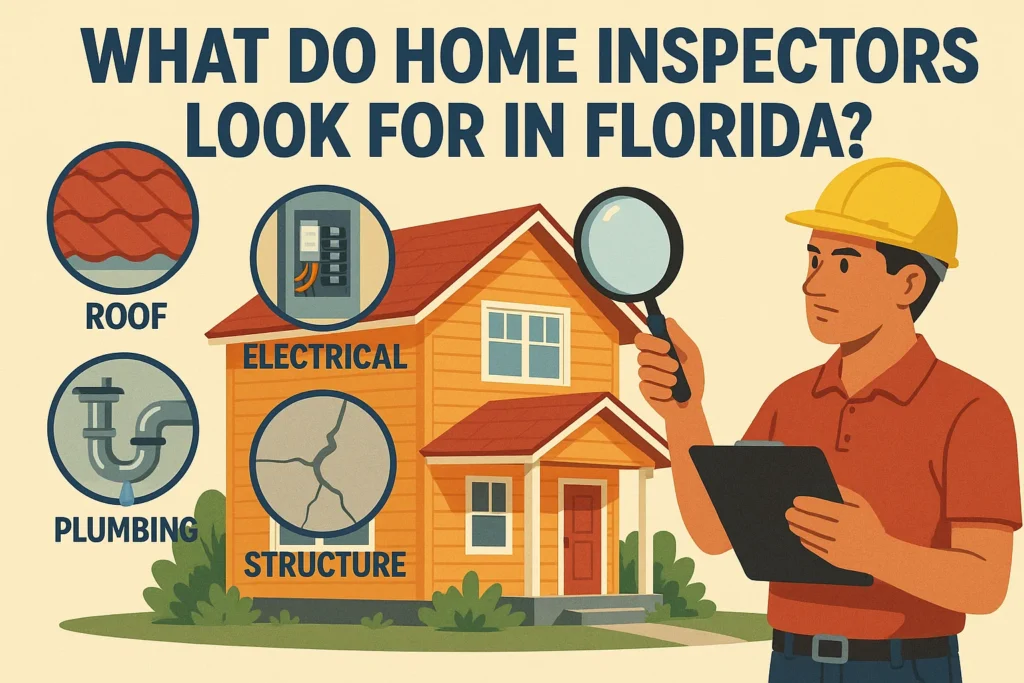
In Florida, home inspectors follow a thorough and regulated process due to the state’s unique climate, building codes, and hurricane-related risks. A standard home inspection in Florida covers all major structural and mechanical systems, with a special emphasis on moisture damage, roof integrity, HVAC performance, and storm preparedness. Inspectors look for both safety hazards and costly repairs that may not be obvious to the average buyer.
- Roof and attic: Inspectors check for leaks, damaged shingles or tiles, poor ventilation, and structural weaknesses. In Florida, where tropical storms and hurricanes are common, wind mitigation features such as hurricane straps, roof shape, and roof-to-wall connections are especially important.
- Foundation and structure: They look for signs of settlement, cracks, improper drainage, or water intrusion that could weaken the structural integrity of the home, especially in flood-prone or high-humidity areas.
- Plumbing systems: Inspectors assess water pressure, check for pipe corrosion, leaks, and water heater condition. Florida’s humid environment makes it essential to detect moisture buildup and mold early.
- Electrical systems: All outlets, wiring, service panels, breakers, and grounding systems are examined for compliance with modern safety standards. Outdated or improperly installed wiring poses fire risks.
- Heating, ventilation, and air conditioning (HVAC): These systems are critical in Florida’s hot climate. Inspectors verify functionality, maintenance history, and any signs of inefficiency, leaks, or blockage.
- Exterior and drainage: From siding and stucco to grading and gutters, inspectors look for water damage, pest entry points, and poor water runoff, all of which are common concerns due to heavy Florida rainfalls.
- Windows and doors: They’re checked for proper sealing, cracks, moisture intrusion, and hurricane-resistant features like impact glass or shutters.
- Pests and mold: Although not part of every standard inspection, many Florida buyers opt for termite and mold inspections due to the state’s high humidity and pest activity.
Florida also has unique inspection types like 4-point inspections (focusing on roof, electrical, plumbing, and HVAC systems for insurance approval) and wind mitigation inspections (used to qualify for homeowner’s insurance discounts). Understanding what inspectors look for helps buyers prepare for issues that are common in Florida homes and ensures their property meets safety and insurance standards.
Why Some Home Inspections Take Longer or Shorter Time?
The length of a home inspection can vary based on several important factors, including the size, age, and condition of the property. While a standard home inspection typically takes between 2 to 4 hours, some may wrap up in as little as 90 minutes, while others can extend well beyond 4 hours. The variation occurs due to the complexity and uniqueness of each home.
One of the biggest influencers is home size. Larger homes naturally require more time to inspect because they contain more rooms, bathrooms, and systems. A small one-story home may take 1.5 to 2 hours, whereas a multi-story property with a basement, attic, and multiple HVAC units may take 4 hours or more.
Another factor is the age of the home. Older homes usually take longer to inspect because they often contain outdated electrical wiring, aging plumbing, structural issues, or signs of wear and tear. Inspectors must take extra time to evaluate whether the older components meet current safety codes and standards.
The overall condition of the property also affects inspection time. A well-maintained home in good condition is easier to assess, while neglected properties or those with signs of damage—such as leaks, mold, pest infestations, or visible structural issues—demand more attention and thorough investigation. Any system that appears questionable will require additional testing, notes, and possibly recommendations for further evaluation.
Conclusion
In summary, the time it takes to complete a home inspection Naples Fl can vary significantly depending on the property’s size, age, condition, and additional services required. While the average inspection lasts between 2 to 4 hours, smaller homes may be evaluated in as little as 1.5 to 2 hours, and larger or older homes may require 4 hours or more for a thorough evaluation. Add-on inspections such as mold, termite, or wind mitigation assessments can further extend this timeframe.
FAQS
FAQ 1: Can weather conditions affect the length of a home inspection in Florida?
Yes, weather conditions can significantly impact the duration of a home inspection in Florida. For instance, heavy rain, high humidity, or storm conditions may delay or limit certain aspects of the inspection, especially the evaluation of exterior components like the roof, siding, drainage, or crawlspaces. In cases of unsafe weather, the inspector may choose to reschedule specific parts of the inspection or return on a later date to complete the outdoor evaluation. Additionally, high humidity may require extra time for inspectors to assess mold-prone areas more thoroughly. Florida’s tropical climate means that seasonal weather patterns often factor into inspection timelines.
FAQ 2: Do sellers need to be present during a home inspection in Florida?
No, sellers are not required to be present during the home inspection, but it’s not uncommon. In Florida, the inspection is typically arranged by the buyer, and most sellers choose to vacate the property during this time. However, some sellers prefer to be on-site to answer questions or address concerns. That said, a seller’s presence should be non-intrusive, allowing the inspector and the buyer to move freely and speak candidly. In most cases, the real estate agent will coordinate access, and sellers may leave keys or lockbox codes for smooth entry.
FAQ 3: Is it possible to speed up the inspection process without compromising quality?
Yes, certain steps can streamline the process while still ensuring a high-quality inspection. Homeowners or agents can prepare the property beforehand by clearing access to attics, basements, HVAC units, electrical panels, and crawlspaces. Providing documentation for recent repairs or upgrades can also help the inspector assess those areas quickly. From the buyer’s perspective, arriving on time, limiting distractions, and allowing the inspector to work uninterrupted can all help maintain efficiency. However, it’s crucial not to rush the process. A thorough and unrushed inspection is key to identifying hidden or long-term issues.
FAQ 4: How far in advance should you schedule a home inspection in Florida?
It’s best to schedule a home inspection as soon as your offer is accepted—usually within the first 24 to 48 hours. In Florida, the inspection period often ranges from 7 to 15 days, depending on the purchase contract. Popular areas and busy seasons (like spring and summer) may mean longer wait times for reputable inspectors, so booking early is essential. Scheduling early ensures enough time to receive the report, request repairs or renegotiate if needed, and avoid delays in closing.
FAQ 5: Are virtual or remote home inspections an option in Florida?
Yes, virtual or remote home inspections are becoming more common in Florida, especially for out-of-state buyers. Some inspectors now offer live video walk-throughs, drone footage, or 360-degree digital reports that allow buyers to view the inspection in real time or afterward. These tools are particularly helpful when buyers cannot be physically present but still want a comprehensive understanding of the property’s condition. However, not all inspectors offer this service, and it’s important to verify the level of detail and interactivity provided if choosing a virtual option.
Home Inspection Services Across Florida
PatriotInspect delivers certified, trusted, and location-specific inspection services across Southwest Florida and Miami-Dade County.
Four Point Inspection – Fort Myers
Insurance-focused inspection for roofing, plumbing, electrical, and HVAC systems.
Home Inspection – Fort Myers
Complete home inspection services for buyers, sellers, and homeowners.
Mold Inspection – Fort Myers
Professional mold inspections for moisture-related issues and indoor air quality.
Wind Mitigation – Fort Myers
Identify wind-resistant features that may help reduce insurance premiums.
Home Inspection – Cape Coral
Certified and trusted home inspections tailored for Cape Coral properties.
Four Point Inspection – Cape Coral
Insurance-required inspections for Florida homes.
Wind Mitigation – Cape Coral
Wind mitigation inspections to support insurance discounts.
Condo Inspection – Cape Coral
Focused inspections for condo units and shared systems.
Mold Inspection & Testing – Cape Coral
Advanced mold testing and inspection services.
Condo Inspection – Naples
Detailed condo inspections for Naples homeowners and buyers.
Four Point Inspection – Naples
Insurance-focused system inspections.
Mold Inspection & Testing – Naples
Humidity-related mold inspections and testing services.
Wind Mitigation – Naples
Wind-resistant feature verification for insurance savings.
Home Inspection – Bonita Springs
Comprehensive inspections for buyers and sellers.
Four Point Inspection – Bonita Springs
Insurance-required inspection for key home systems.
Wind Mitigation – Bonita Springs
Wind mitigation reports to help lower insurance costs.
Mold Inspection & Testing – Bonita Springs
Mold detection and moisture assessment services.
Condo Inspection – Bonita Springs
Specialized condo inspections for interior systems.
Home Inspection – Marco Island
Full property inspections for coastal homes.
Four Point Inspection – Marco Island
System-focused inspections for insurance needs.
Wind Mitigation – Marco Island
Storm-resistance inspections for coastal properties.
Condo Inspection – Marco Island
Condo inspections focused on unit-specific systems.
Mold Testing – Marco Island
Professional mold testing for indoor air quality concerns.
Radon Testing – Marco Island
Accurate radon testing for long-term health protection.
Home Inspection – Miami-Dade County
Trusted home inspection services across Miami-Dade County.
Four Point Inspection – Miami-Dade County
Insurance-focused inspections for key home systems.
Mold Inspection & Testing – Miami-Dade County
Mold detection services for humid environments.
Condo Inspection – Miami-Dade County
Certified condo inspections for urban and coastal properties.