Understanding the Electrical Panel Brand and Type in Four Point Inspection is essential for every homeowner looking to ensure safety and compliance. During a Four Point Home Inspection, inspectors carefully evaluate the home electrical system, focusing on the main electrical panel, wiring, and circuit breakers. Identifying the correct panel brand and model helps determine potential risks, while knowing the electrical panel age is crucial for insurance approval.
Homes with outdated panels may face safety hazards, including overloaded circuits or faulty breakers. Proper documentation and preparation of your circuit breaker panel not only supports home safety but also streamlines the insurance inspection process, reducing delays and ensuring reliable coverage.
Purpose of a Four Point Inspection
The primary purpose of a Four Point Inspection checklist is to provide a detailed report that informs insurance companies about the safety and condition of the property. Insurers use this information to decide whether to approve coverage, determine premiums, and recommend upgrades if necessary.
The inspection examines electrical panel types in residential homes, roof condition, plumbing integrity, and HVAC performance. The report highlights risks, potential repairs, and compliance issues, giving homeowners a clear roadmap for maintaining home safety and electrical compliance.
A well-prepared electrical panel report for insurance can significantly simplify the insurance process. Inspectors focus on the brand and type of the panel, panel amperage and breaker type, and electrical panel age.
Any outdated or faulty components are flagged as common electrical panel hazards, which insurers may require to be addressed before approval. Homeowners who understand these requirements can take preemptive measures to ensure smooth processing and maintain the safety and functionality of their home electrical panel.
What Is an Electrical Panel in a Four Point Inspection?
An electrical panel is the central hub of a home’s electrical system. It distributes electricity from the main service line to all circuits within the property. During a Four Point Inspection, inspectors closely examine the main electrical panel, ensuring it complies with current codes and safety standards.
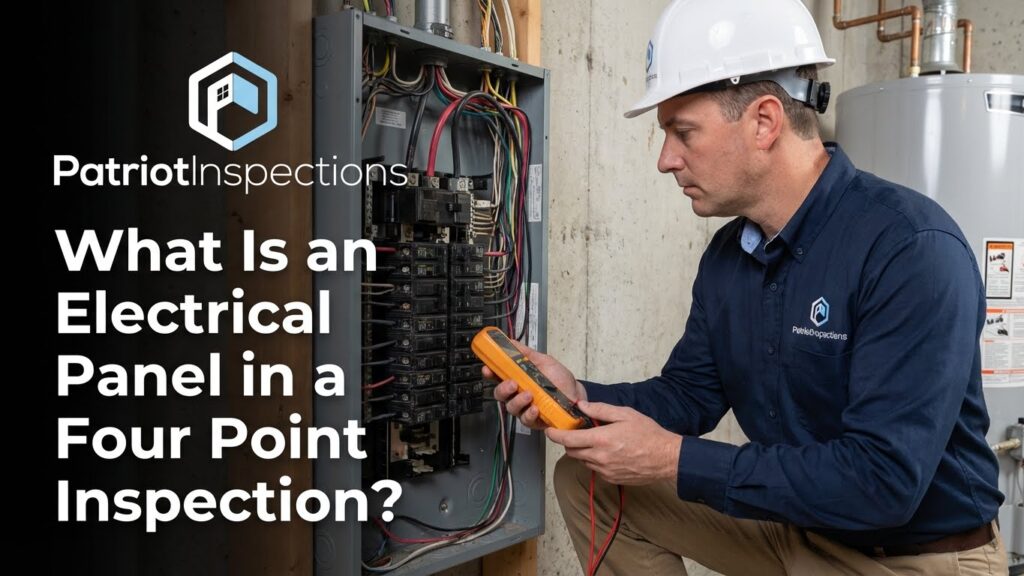
They check the circuit breaker panel, wiring types, and any modifications made over time. Homes in Naples, FL, often have older panels, so understanding the signs of an outdated electrical panel is critical. Inspectors assess whether the panel has been properly maintained, whether breakers are functioning, and whether the wiring is safe and appropriate for modern electrical loads.
The inspection also evaluates the electrical panel age and panel brand and model, as certain manufacturers have known recalls or design flaws. For example, Federal Pacific panels are historically known to pose safety risks, while brands like Square D and Siemens have better records for reliability and electrical panel safety.
This information is documented carefully in the inspection report, which helps insurers make informed decisions. Proper evaluation of the panel prevents hazards such as short circuits, overheating, and potential fire risks, ensuring the home remains safe for residents.
Role of the Electrical Panel
The electrical panel types in residential homes serve as the central distribution point for electricity. Inspectors evaluate whether the panel amperage and breaker type are suitable for the home’s current energy demands. They look for common electrical panel hazards, including double-tapped breakers, worn connections, or mismatched wiring.
The panel’s role is not just distributing electricity but protecting the home from overloads and potential electrical hazards. Accurate documentation in a Four Point Home Inspection report allows insurers to understand the system’s reliability and ensures that home electrical system compliance standards are met.
Common Electrical Panel Brands Inspected
During inspections, certain top electrical panel brands for safety frequently appear. Brands like Square D, Siemens, General Electric (GE), Eaton, and Federal Pacific are commonly evaluated. Inspectors examine each panel for common electrical issues, including recalls, wear and tear, and compatibility with modern safety standards.
Some brands, such as Federal Pacific, may require replacement due to historical safety concerns, whereas others are preferred for home electrical panel safety. Understanding brand-specific risks helps homeowners anticipate necessary upgrades and provides clarity in the electrical panel report for insurance.
Homeowners in Naples, FL, may have panels installed decades ago, so inspectors carefully note the panel brand and model, electrical panel age, and safety features. Modern panels often include enhanced features such as arc-fault circuit interrupters (AFCIs) and ground-fault protection, which reduce fire hazards.
Accurate reporting of these details improves the insurance approval checklist process and ensures that homes meet insurance and safety requirements. Homeowners who proactively maintain or upgrade panels benefit from faster approvals and reduced insurance complications.
Top Brands to Know
Inspections highlight specific brands and models. Square D panels are widely recognized for reliability and safety features, Siemens panels are known for modern breaker designs, GE panels provide general safety with occasional maintenance requirements, Eaton offers reliable surge protection, and Federal Pacific is often flagged due to historical recalls. Knowing these brands and their common issues is crucial for preparing your home electrical panel for inspection and meeting home insurance electrical requirements.
Types of Electrical Panels in Homes
Most homes contain either a main electrical panel or subpanels. The main panel distributes electricity throughout the house, while subpanels extend circuits to specific areas such as garages or additions.
Inspectors examine whether the panels are properly labeled, the panel amperage and breaker type match the home’s electrical load, and if wiring connections are safe. Mislabeling or overloaded circuits can create common electrical panel hazards, leading to denied insurance coverage or increased premiums.
Subpanels are often added during home expansions and must be inspected carefully. Proper installation ensures that electricity is evenly distributed and reduces the risk of fire hazards.
Homes in Naples, FL, often feature both main electrical panels and subpanels, so inspectors document all systems, noting the panel brand and model, age, and condition. This detailed evaluation is part of the Four Point Inspection checklist, allowing insurers to make informed decisions about coverage and safety compliance.
Main Panel vs Subpanel
The main panel controls all electricity entering the home, while subpanels serve specific areas. Inspectors check amperage, labeling, and wiring integrity to ensure both safety and home electrical system compliance. Proper maintenance of both panels is essential for insurance approval and electrical panel safety.
Why Electrical Panel Age Matters in Inspections
The age of an electrical panel plays a critical role during a Four Point Inspection because older panels often carry higher safety risks. Panels installed decades ago may contain outdated circuit breakers, aluminum wiring, or brands with known design flaws. Inspectors examine the panel’s overall condition, noting signs of wear such as corrosion, rust, or loose connections. Homes in Naples, FL, with panels over 25 or 30 years old are often flagged for potential upgrades.
The panel’s age can influence whether an insurer approves coverage or requires improvements before issuing a policy. Electrical panel age also correlates with the likelihood of hidden hazards that may not be immediately visible but can lead to fire risks or electrical failures.
Insurance companies rely on accurate documentation of electrical panel age and condition to evaluate home safety. Inspectors check whether previous owners performed proper maintenance, whether the breakers are functioning as intended, and whether wiring has been upgraded to meet modern safety codes.
Outdated panels may not support contemporary electrical loads, increasing the risk of overloading circuits or tripping breakers frequently. Identifying signs of an outdated electrical panel ensures homeowners can plan for timely replacements, enhancing home electrical system reliability and compliance with insurance standards.
How Age Affects Insurance
Older panels can affect coverage approval because insurers see them as higher-risk. Panels with corrosion, outdated wiring, or faulty breakers may require replacement before a policy is issued. Accurate reporting helps homeowners plan upgrades and maintain compliance.
Common Electrical Panel Issues Found
Inspections frequently uncover common electrical panel hazards that can compromise both safety and insurance eligibility. Overloaded circuits, double-tapped breakers, and improper wiring connections are among the most common problems.
Aluminum wiring, which was used in older homes, can present a fire risk if not properly maintained. Inspectors also check for improper grounding, missing or outdated breakers, and signs of overheating. Documenting these issues in the electrical panel report for insurance provides a roadmap for necessary repairs and ensures compliance with home insurance electrical requirements.
Homes in Naples, FL, sometimes have panels that were modified without proper permits or inspections. This increases the risk of safety violations and may affect insurance coverage. Identifying these issues early allows homeowners to address them before they escalate into larger hazards.
Inspectors emphasize the importance of maintaining a reliable home electrical system, as small oversights like missing labels, worn insulation, or improperly installed breakers can create serious fire hazards. Comprehensive inspection ensures all potential issues are highlighted and actionable recommendations are provided.
Safety Concerns and Red Flags
Common electrical panel hazards include overloaded circuits, double-tapped breakers, and aluminum wiring problems. These issues can trigger insurance concerns and must be addressed for safe electrical operation.
Preparing Your Electrical Panel for Inspection
Proper preparation is essential for a smooth Four Point Home Inspection. Homeowners should ensure that the panel area is clean, easily accessible, and free from clutter. Circuits should be labeled clearly to assist the inspector in evaluating the system efficiently.
Checking the panel for visible defects such as frayed wires, rust, or corrosion can prevent last-minute surprises. Documenting the panel brand and model, amperage, and age provides inspectors with accurate information for the electrical panel report for insurance, reducing delays in policy approval.
In Naples, FL, preparation also involves reviewing any maintenance records or previous upgrades performed on the home electrical system. Inspectors look for evidence that the panel has been maintained properly and is in compliance with modern electrical codes.
Ensuring that the main panel and any subpanels are in good condition not only helps with insurance approval but also increases overall home safety. Homeowners who prepare their panels ahead of inspections often experience fewer repair requirements and smoother insurance processing.
Steps for Homeowners
Clean the panel area, label all circuits, check for visible defects, and document the panel brand, type, and amperage. This preparation ensures a smoother inspection process.
Reporting Electrical Panel Brand and Type in Inspection Reports
During a Four Point Inspection, inspectors meticulously record the brand, type, amperage, and overall condition of each panel. The documentation forms the basis for insurance decisions, helping insurers assess risks and determine coverage eligibility.
Detailed reporting is especially important in homes with older panels, as any noted defects or outdated components can affect policy issuance. By capturing accurate data on panel brand and model, inspectors provide homeowners with a comprehensive understanding of the home electrical system and potential improvements needed.
In Naples, FL, thorough reports help both homeowners and insurers make informed decisions. A well-prepared electrical panel report for insurance highlights any safety concerns, recommends necessary repairs, and verifies that the panel meets current standards.
Accurate documentation ensures that insurers can confidently approve coverage, reducing the risk of policy delays or increased premiums. Maintaining updated records and following inspection recommendations also supports long-term home safety and compliance with electrical standards.
How Inspectors Record Information
Inspectors record panel brand, type, amperage, and condition to give insurers a clear picture of electrical system reliability. Detailed documentation ensures safety and compliance.
Key Takeaways
Always identify your electrical panel brand and type before inspection.
- Maintain clear documentation of panel amperage and breaker type.
- Address common electrical panel hazards like overloaded circuits and aluminum wiring.
- Ensure proper labeling of circuits in main electrical panel and subpanels.
- Upgrade outdated panels to meet home insurance electrical requirements.
- Inspectors check electrical panel age and overall system condition.
- Proper maintenance improves home electrical system reliability.
- Following the Four Point Inspection checklist reduces insurance delays.
- Detailed electrical panel report for insurance ensures smooth approvals.
- Homes in Naples, FL, benefit from proactive preparation and safety compliance.
Upgrading Electrical Panels for Better Insurance Approval
Upgrading electrical panels is often necessary for ensuring home safety and meeting insurance requirements. Modern panels come with advanced circuit breakers, surge protection, and arc-fault protection, reducing fire risks and improving overall electrical system reliability.
Homeowners may also need to increase panel amperage to accommodate additional electrical loads in contemporary homes. These upgrades not only enhance safety but also improve the likelihood of insurance approval by meeting modern standards.
In Naples, FL, proactive homeowners who replace outdated panels or upgrade their systems often experience smoother insurance approvals and reduced premiums. Upgrades demonstrate that the home electrical system is safe, compliant, and capable of handling current energy demands.
Insurers take these improvements into account when evaluating risk, which can result in more favorable coverage options. Planning upgrades before the inspection ensures that homeowners meet all safety requirements and avoid costly delays or last-minute repairs.
When to Replace or Upgrade
Replace outdated panels or increase amperage to meet modern electrical loads. Upgrading ensures safety, compliance, and smoother insurance approval.
Electrical Panel Brands and Types Table
| Brand | Type | Common Issues | Safety Features | Insurance Notes |
| Square D | Main/Sub | Rare recalls | AFCI, GFCI options | Preferred by insurers |
| Siemens | Main/Sub | Minor recalls | Modern breakers | Reliable for coverage |
| GE | Main/Sub | Occasional failures | Ground-fault protection | Often accepted |
| Eaton | Main/Sub | Very few issues | Surge protection | Smooth approvals |
| Federal Pacific | Main/Sub | Historical recalls | Limited safety | May require replacement |
Conclusion
Understanding the Electrical Panel Brand and Type in Four Point Inspection is crucial for every homeowner. Accurate inspection, proper maintenance, and timely upgrades ensure home electrical system reliability, safety, and insurance compliance.
Homes in Naples, FL, benefit from preparing panels, labeling circuits, and documenting all details. Inspections highlight potential hazards, guide repairs, and provide a clear report for insurers. By addressing issues early, homeowners reduce fire risks, avoid insurance delays, and enhance the value of their property. Proper attention to panel type, brand, and age guarantees smoother approval and long-term safety.
FAQs
Q1: What is a Four Point Inspection?
A Four Point Inspection evaluates a home’s electrical system, roofing, plumbing, and HVAC for insurance purposes.
Q2: Why is the electrical panel checked during inspection?
Inspectors check the panel to ensure safety, proper wiring, and compliance with insurance requirements.
Q3: Which brands are commonly inspected?
Square D, Siemens, GE, Eaton, and Federal Pacific are the most commonly reviewed electrical panel brands.
Q4: How does electrical panel age affect insurance?
Older panels may have safety risks or outdated breakers, which can impact coverage approval.
Q5: What is the difference between main panel and subpanel?
Main panels distribute electricity to the whole home, while subpanels supply specific areas or additions.
Q6: What common issues are found in panels?
Overloaded circuits, double-tapped breakers, aluminum wiring, and improper grounding are common hazards.
Q7: How can I prepare my panel for inspection?
Clean the area, label circuits, check for visible defects, and document brand, type, and amperage.
Q8: Does upgrading a panel improve insurance chances?
Yes, modern panels with proper amperage and safety features reduce risks and support smoother approval.
Q9: How do inspectors record panel information?
They document panel brand, type, amperage, age, and overall condition for insurance reporting.
Q10: Can Naples, FL homeowners upgrade panels before inspection?
Absolutely, proactive upgrades ensure safety, compliance, and higher chances of insurance approval.
Home Inspection Services Across Florida
PatriotInspect delivers certified, trusted, and location-specific inspection services across Southwest Florida and Miami-Dade County.
Four Point Inspection – Fort Myers
Insurance-focused inspection for roofing, plumbing, electrical, and HVAC systems.
Home Inspection – Fort Myers
Complete home inspection services for buyers, sellers, and homeowners.
Mold Inspection – Fort Myers
Professional mold inspections for moisture-related issues and indoor air quality.
Wind Mitigation – Fort Myers
Identify wind-resistant features that may help reduce insurance premiums.
Home Inspection – Cape Coral
Certified and trusted home inspections tailored for Cape Coral properties.
Four Point Inspection – Cape Coral
Insurance-required inspections for Florida homes.
Wind Mitigation – Cape Coral
Wind mitigation inspections to support insurance discounts.
Condo Inspection – Cape Coral
Focused inspections for condo units and shared systems.
Mold Inspection & Testing – Cape Coral
Advanced mold testing and inspection services.
Condo Inspection – Naples
Detailed condo inspections for Naples homeowners and buyers.
Four Point Inspection – Naples
Insurance-focused system inspections.
Mold Inspection & Testing – Naples
Humidity-related mold inspections and testing services.
Wind Mitigation – Naples
Wind-resistant feature verification for insurance savings.
Home Inspection – Bonita Springs
Comprehensive inspections for buyers and sellers.
Four Point Inspection – Bonita Springs
Insurance-required inspection for key home systems.
Wind Mitigation – Bonita Springs
Wind mitigation reports to help lower insurance costs.
Mold Inspection & Testing – Bonita Springs
Mold detection and moisture assessment services.
Condo Inspection – Bonita Springs
Specialized condo inspections for interior systems.
Home Inspection – Marco Island
Full property inspections for coastal homes.
Four Point Inspection – Marco Island
System-focused inspections for insurance needs.
Wind Mitigation – Marco Island
Storm-resistance inspections for coastal properties.
Condo Inspection – Marco Island
Condo inspections focused on unit-specific systems.
Mold Testing – Marco Island
Professional mold testing for indoor air quality concerns.
Radon Testing – Marco Island
Accurate radon testing for long-term health protection.
Home Inspection – Miami-Dade County
Trusted home inspection services across Miami-Dade County.
Four Point Inspection – Miami-Dade County
Insurance-focused inspections for key home systems.
Mold Inspection & Testing – Miami-Dade County
Mold detection services for humid environments.
Condo Inspection – Miami-Dade County
Certified condo inspections for urban and coastal properties.