Hiring a reliable Four Point Inspection company in Naples, FL, is crucial for homeowners, buyers, and sellers to ensure accurate evaluation of a property’s roof, electrical, plumbing, and HVAC systems. Unfortunately, not all companies provide professional, thorough, or trustworthy services. Identifying red flags during the hiring process protects homeowners from inaccurate reports, delayed insurance approvals, and unexpected financial risks.
Common warning signs include lack of proper licensing, poor communication, incomplete inspections, and negative reviews. Understanding these red flags helps property owners choose a qualified, certified, and reputable inspection company. Timely recognition of warning signs saves time, money, and stress while ensuring property safety and insurance compliance. This guide outlines the main red flags, how to recognize them, and strategies for selecting a competent Four Point Inspection provider.
By being vigilant, homeowners and buyers can avoid costly mistakes and ensure inspections meet both industry and insurer standards. Proper due diligence enhances confidence in reports, supports smooth real estate transactions, and protects long-term property value. Identifying warning signs early transforms the inspection process into a safe, efficient, and reliable step in property ownership or transfer.
Why Recognizing Red Flags Matters
Red flags are warning signals that indicate a Four Point Inspection company may not meet industry or insurer standards. Hiring a company without proper certification, experience, or accountability can result in inaccurate or incomplete reports. These reports may be rejected by insurance providers, delaying policy approval or leading to higher premiums. Identifying warning signs allows homeowners to avoid unreliable inspectors, minimize financial risks, and ensure compliance with state and insurance requirements.
Recognizing red flags also protects the homeowner’s investment, ensuring that the evaluation accurately reflects the property’s condition. Understanding these indicators strengthens decision-making and prevents mistakes that could compromise coverage, safety, or future transactions. By knowing what to watch for, property owners can hire a trustworthy, qualified company, ensuring thorough and accurate inspections. Avoiding these pitfalls saves time, money, and stress throughout the insurance and real estate process.
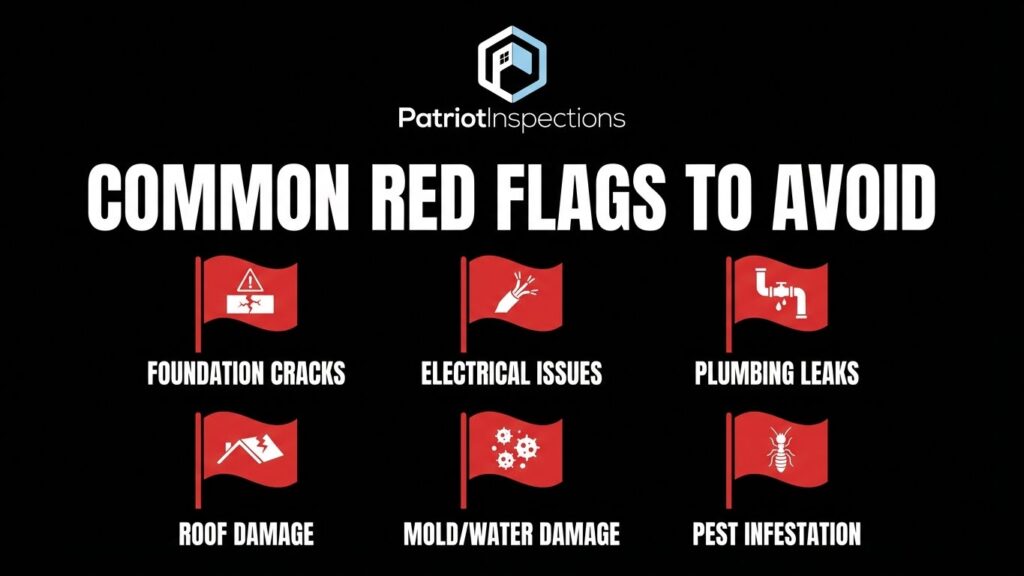
Common Red Flags to Avoid
- Several indicators suggest that a Four Point Inspection company may be unqualified or unreliable.
- Companies that lack proper licensing or certifications from organizations like NACHI, InterNACHI, or ASHI should be avoided, as they may not meet industry standards.
- Inspectors who provide vague or incomplete reports, omit photos, or fail to evaluate all four systems properly are also warning signs.
- Negative reviews, poor communication, and refusal to answer questions or provide references indicate a lack of professionalism.
- Unrealistically low prices may signal cutting corners, while excessively high fees without justification could indicate exploitation.
- Delays in delivering inspection reports or inability to meet insurer requirements are additional red flags.
- Companies that ignore follow-up inquiries, fail to address repair recommendations, or have inconsistent past performance should also be avoided.
- Recognizing these issues ensures that homeowners select competent and trustworthy inspection services.
- Avoiding these red flags protects insurance approval, property safety, and financial investment.
How to Identify Problematic Inspectors
Homeowners can identify red flags by researching the company’s credentials, experience, and past work. Verify licenses and certifications with professional organizations to confirm legitimacy. Read online reviews on platforms such as Google, Yelp, HomeAdvisor, or Angi, paying attention to repeated complaints about accuracy, timeliness, or professionalism. Ask for references from previous clients and contact them to verify performance and reliability. Request sample reports to assess completeness, clarity, and adherence to industry standards.
Compare the company’s pricing and turnaround time with other licensed inspectors in the area. Observe their communication style during inquiries; unresponsive or vague answers are often warning signs. Homeowners should also confirm that the company’s reports are accepted by local insurers to avoid delays. Thorough research helps avoid hiring unqualified inspectors and ensures that reports are thorough, actionable, and insurer-approved.
Four Point Inspections for Buyers
Buyers purchasing older homes rely on four point inspections to confirm that a property can be insured at acceptable rates. The inspection highlights any major system concerns before closing, helping buyers avoid purchasing a home that may be difficult or expensive to insure.
In competitive real estate markets, inspections also support negotiations by identifying needed repairs or updates. This allows buyers to make informed decisions and move forward with confidence.
Roof Assessment and Condition
During the roof assessment, inspectors evaluate the roof covering, material type, age, and visible condition. They check for leaks, signs of deterioration, and storm-related damage while estimating the remaining useful life. Most insurance companies require a minimum number of remaining years on the roof, making this one of the most critical parts of the inspection.
Consequences of Ignoring Red Flags
- Hiring a company without evaluating red flags can have significant financial and legal consequences.
- Inaccurate or incomplete inspections may lead to denied insurance coverage, delayed policy issuance, or increased premiums.
- Property defects or safety hazards could go unnoticed, resulting in costly repairs, accidents, or liability issues.
- Disputes may arise between buyers, sellers, and insurers due to missing or inaccurate documentation. In extreme cases, insurance claims may be rejected, leaving homeowners financially exposed.
- Ignoring warning signs also wastes time, requiring repeat inspections and additional fees.
- By addressing red flags upfront, homeowners ensure they hire a qualified company that delivers accurate, timely, and complete inspections.
- This proactive approach reduces risks, protects investments, and maintains compliance with state and insurance requirements.
Best Practices for Hiring a Four Point Inspection Company
To avoid red flags, always hire licensed, certified, and experienced inspectors. Naples, FL Request proof of credentials and verify membership in professional organizations like NACHI, InterNACHI, or ASHI. Research reviews and recommendations from past clients, insurance agents, and real estate professionals. Ask detailed questions about their inspection process, report format, and turnaround time. Compare multiple companies to ensure competitive pricing and transparency in services offered.
Confirm that reports meet insurer requirements and include photographs, notes, and recommendations. Keep records of all correspondence and inspection reports for future reference. Following these practices helps homeowners avoid unreliable inspectors, ensures accurate reporting, and maintains property safety and insurance compliance. Engaging a trustworthy inspection company guarantees that property evaluations are thorough, actionable, and accepted by insurers.
Reference Table: Red Flags to Avoid When Hiring a Four Point Inspection Company
| Red Flag | Description | Impact | How to Avoid | Notes |
| Lack of Licensing | Inspector not licensed or certified | Reports may be rejected by insurers | Verify NACHI, InterNACHI, or ASHI credentials | Licensing ensures compliance |
| Incomplete Reports | Missing system evaluation, photos, or notes | Inaccurate assessment, insurer denial | Request sample reports before hiring | Reports must cover roof, electrical, plumbing, HVAC |
| Negative Reviews | Repeated client complaints | Indicates unprofessional or unreliable service | Research Google, Yelp, HomeAdvisor | Check for consistent praise/complaints |
| Poor Communication | Unresponsive or vague answers | Causes delays and misunderstandings | Ask detailed questions upfront | Transparency is key for smooth process |
| Unrealistic Pricing | Too low or excessively high fees | May indicate corner-cutting or exploitation | Compare multiple inspectors | Value should match quality and scope |
| Missing References | No previous client verification | Hard to trust reliability | Request and contact references | Confirms timeliness and professionalism |
| Slow Report Delivery | Delayed inspections or documentation | Can delay insurance or transactions | Ask for expected turnaround | Timely delivery prevents gaps in coverage |
| Unclear Repair Recommendations | Vague or missing guidance | Safety hazards may be missed | Ensure reports include detailed advice | Helps in insurer approvals and future maintenance |
| Insurance Non-compliance | Reports not accepted by insurer | Delayed or denied coverage | Confirm insurer requirements | Inspectors must meet policy standards |
| Inconsistent Performance | Mixed quality of past inspections | Risk of inaccurate evaluation | Evaluate multiple reviews and references | Consistency ensures reliability |
Role of Inspectors in Home Transactions
Licensed home inspectors play an important role by providing objective evaluations of a property’s key systems. Using standardized forms accepted by insurance carriers, they help buyers and sellers understand system conditions and insurance implications.
Inspectors also highlight common issues found in older homes, such as aging roofs,Naples, FL outdated electrical components, plumbing leaks, or inefficient HVAC systems. Early detection allows these problems to be addressed before they affect coverage or value.
Cost of Four Point Inspections
The cost of a four point inspection varies based on home size, age, and overall complexity. In most cases, the fee is affordable compared to the potential cost of insurance delays or denied coverage. Many inspectors offer bundled services, such as wind mitigation inspections, which can provide additional savings.
Four Point Inspection Overview – Final Thoughts
Professional four point inspections make insuring older homes more predictable and secure. Buyers, sellers, and homeowners benefit from clear documentation that supports insurance coverage and highlights maintenance needs.Naples, FL By scheduling inspections early, property owners avoid delays and protect their investments.
FAQs
1. What are the main red flags to watch for when hiring a Four Point Inspection company?
Main red flags include lack of licensing, incomplete reports, negative reviews, poor communication, and unrealistic pricing. Identifying these early ensures accurate inspections.
2. Why is licensing important for inspectors?
Licensing and certification from organizations like NACHI, InterNACHI, or ASHI confirm that inspectors follow professional standards. Unlicensed inspectors may provide invalid reports.
3. Can bad reviews indicate an unreliable inspection company?
Yes, consistent negative feedback regarding report accuracy, delays, or professionalism suggests the company may be untrustworthy or inexperienced.
4. How can homeowners verify an inspector’s reliability?
Homeowners should check credentials, request references, review past work, and contact previous clients to confirm reliability, timeliness, and report quality.
5. What happens if I ignore these red flags?
Ignoring warning signs can result in inaccurate inspections, insurance denials, costly repairs, or delays in property transactions, leaving homeowners exposed to financial risk.
6. Are low prices always a good deal?
No, prices significantly lower than average may indicate corner-cutting or incomplete inspections. Quality and thoroughness should take priority over cost.
7. How important is communication with the inspection company?
Clear and timely communication ensures that questions are answered, reports are delivered on time, and any issues are addressed promptly, preventing delays.
8. Should I check if the report meets insurer standards?
Yes, reports that do not comply with insurer requirements may be rejected, causing policy delays or additional inspections. Always verify acceptance before hiring.
9. Can inspection companies be recommended by real estate agents or insurers?
Yes, recommendations from trusted professionals can help identify reputable companies with a history of accurate, insurer-approved inspections.
10. How do I avoid hiring a problematic inspector?
Research credentials, read reviews, check references, ask detailed questions, compare multiple companies, and confirm insurance compliance to make an informed selection.
Home Inspection Services Across Florida
PatriotInspect delivers certified, trusted, and location-specific inspection services across Southwest Florida and Miami-Dade County.
Four Point Inspection – Fort Myers
Insurance-focused inspection for roofing, plumbing, electrical, and HVAC systems.
Home Inspection – Fort Myers
Complete home inspection services for buyers, sellers, and homeowners.
Mold Inspection – Fort Myers
Professional mold inspections for moisture-related issues and indoor air quality.
Wind Mitigation – Fort Myers
Identify wind-resistant features that may help reduce insurance premiums.
Home Inspection – Cape Coral
Certified and trusted home inspections tailored for Cape Coral properties.
Four Point Inspection – Cape Coral
Insurance-required inspections for Florida homes.
Wind Mitigation – Cape Coral
Wind mitigation inspections to support insurance discounts.
Condo Inspection – Cape Coral
Focused inspections for condo units and shared systems.
Mold Inspection & Testing – Cape Coral
Advanced mold testing and inspection services.
Condo Inspection – Naples
Detailed condo inspections for Naples homeowners and buyers.
Four Point Inspection – Naples
Insurance-focused system inspections.
Mold Inspection & Testing – Naples
Humidity-related mold inspections and testing services.
Wind Mitigation – Naples
Wind-resistant feature verification for insurance savings.
Home Inspection – Bonita Springs
Comprehensive inspections for buyers and sellers.
Four Point Inspection – Bonita Springs
Insurance-required inspection for key home systems.
Wind Mitigation – Bonita Springs
Wind mitigation reports to help lower insurance costs.
Mold Inspection & Testing – Bonita Springs
Mold detection and moisture assessment services.
Condo Inspection – Bonita Springs
Specialized condo inspections for interior systems.
Home Inspection – Marco Island
Full property inspections for coastal homes.
Four Point Inspection – Marco Island
System-focused inspections for insurance needs.
Wind Mitigation – Marco Island
Storm-resistance inspections for coastal properties.
Condo Inspection – Marco Island
Condo inspections focused on unit-specific systems.
Mold Testing – Marco Island
Professional mold testing for indoor air quality concerns.
Radon Testing – Marco Island
Accurate radon testing for long-term health protection.
Home Inspection – Miami-Dade County
Trusted home inspection services across Miami-Dade County.
Four Point Inspection – Miami-Dade County
Insurance-focused inspections for key home systems.
Mold Inspection & Testing – Miami-Dade County
Mold detection services for humid environments.
Condo Inspection – Miami-Dade County
Certified condo inspections for urban and coastal properties.