Condo inspections are essential to ensure the safety, functionality, and value of a property. Unlike single-family homes, condominiums have shared systems and spaces, which means hidden issues can affect multiple units. Modern inspectors increasingly rely on advanced tools like thermal imaging cameras and moisture meters to detect problems that are not visible to the naked eye.
These technologies play a vital role in identifying water leaks, insulation gaps, HVAC inefficiencies, and electrical hazards—helping buyers and owners make informed decisions before closing or renovating.
What Is Thermal Imaging in Condo Inspection?
Definition
Thermal imaging, also known as infrared (IR) scanning, uses an infrared camera to capture temperature variations on surfaces. It detects heat patterns that indicate underlying issues such as water intrusion, missing insulation, or electrical overheating.
How It Works
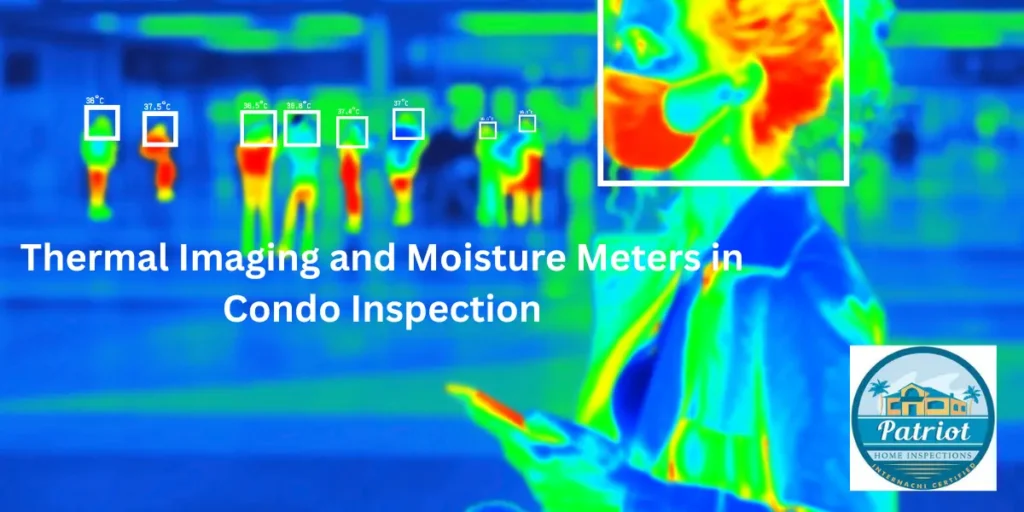
Every object emits infrared radiation based on its temperature. A thermal camera converts this invisible radiation into a color-coded image, where:
- Warm colors (red, yellow) indicate higher temperatures.
- Cool colors (blue, purple) indicate lower temperatures.
By analyzing these patterns, inspectors can pinpoint problem areas without destructive testing.
Applications of Thermal Imaging in Condo Inspection
| Area Inspected | Common Issues Detected | Benefits |
|---|---|---|
| Ceilings & Walls | Hidden moisture, insulation gaps | Prevents mold growth and energy loss |
| Electrical Panels | Overheating wires or breakers | Reduces fire risk |
| HVAC Systems | Duct leaks, poor airflow | Improves system efficiency |
| Windows & Doors | Air leaks, thermal bridging | Enhances indoor comfort and reduces energy bills |
| Roof Areas (where accessible) | Water intrusion or trapped moisture | Prevents structural damage |
What Are Moisture Meters?
Definition
A moisture meter is a diagnostic tool used to measure the moisture content in building materials such as drywall, wood, or concrete. It confirms the presence and extent of water damage detected during visual or thermal inspection.
Types of Moisture Meters
| Type | Description | Best For |
|---|---|---|
| Pin-Type | Uses two metal probes inserted into the material to measure resistance caused by moisture. | Wood, drywall, subfloors |
| Pinless (Non-Invasive) | Uses sensors to scan the surface without penetrating it. | Finished walls, ceilings, or decorative surfaces |
| All-in-One | Combines both technologies for maximum accuracy. | Professional inspections and restoration work |
Our certified inspectors proudly provide professional Condo Inspection Marco Island, FL for buyers, sellers, and condo owners.
How Thermal Imaging and Moisture Meters Work Together
When used together, these tools offer a non-invasive and highly accurate approach to detecting moisture-related problems.
Example Process:
- Thermal Imaging Scan – The inspector identifies cool spots in walls or ceilings that may indicate moisture accumulation.
- Moisture Meter Verification – The suspicious area is then tested with a moisture meter to confirm if the temperature difference is due to water intrusion.
- Reporting – If moisture is confirmed, the inspector documents the readings, photographs, and possible causes (e.g., roof leak, plumbing issue, or condensation).
This combination helps verify problems before they escalate into costly damage.
Benefits of Using Advanced Tools in Condo Inspections
1. Early Detection of Hidden Problems
Thermal imaging can detect small leaks before they become visible, preventing long-term structural or mold damage.
2. Accurate and Non-Invasive Testing
No walls or ceilings need to be opened; both tools allow for thorough inspections without property damage.
3. Energy Efficiency Insights
Infrared imaging helps identify areas of heat loss, poor insulation, or HVAC inefficiencies—important for reducing energy costs.
4. Better Decision-Making for Buyers
Buyers receive a clearer picture of the condo’s true condition, helping them negotiate repairs or pricing with confidence.
5. Enhanced Reporting
Professional inspectors often include high-resolution thermal images and moisture readings in their reports for clarity and transparency.
Common Issues Detected During Condo Inspections Using These Tools
- Plumbing leaks behind walls or under floors
- Roof or window water intrusion
- Moisture buildup in shared walls or ceilings
- Electrical overheating in outlets or breaker panels
- Poor insulation leading to cold drafts or condensation
- HVAC duct leaks and poor airflow distribution
Example Scenario
Case Study:
During a condo inspection cape coral, the inspector used a thermal imaging camera and detected a cold spot near the ceiling adjacent to a shared wall.
A pinless moisture meter confirmed high moisture readings in the same area.
Upon further investigation, it was discovered that a leaking pipe from the neighboring unit’s bathroom caused water intrusion.
Early detection saved the buyer from thousands in potential repair and mold remediation costs.
Maintenance Tips for Condo Owners
- Schedule an annual inspection that includes thermal imaging and moisture testing.
- Check for condensation around windows, doors, and vents.
- Ensure HVAC filters are replaced regularly to reduce humidity issues.
- Report and repair water leaks promptly in shared walls or ceilings.
- Keep the condo well-ventilated to prevent hidden moisture buildup.
Table: Comparison of Traditional vs. Modern Condo Inspection Tools
| Feature | Traditional Inspection | Inspection with Thermal Imaging & Moisture Meters |
|---|---|---|
| Detection Method | Visual and manual checks | Infrared and digital moisture scanning |
| Accuracy | Limited to visible defects | Detects hidden issues behind walls |
| Damage Risk | May require wall openings | Completely non-invasive |
| Time Efficiency | Longer and less precise | Faster, with real-time readings |
| Reporting | Descriptive notes only | Includes images, data, and readings |
Frequently Asked Questions (FAQs)
1. Is thermal imaging necessary for a condo inspection?
While not mandatory, thermal imaging adds significant value by detecting hidden issues like leaks, missing insulation, and electrical faults that a standard inspection may overlook.
2. Can thermal imaging detect mold?
Thermal cameras do not detect mold directly. However, they identify moisture patterns and temperature variations that indicate where mold may develop.
3. How accurate are moisture meters?
High-quality moisture meters are very accurate when used correctly. They can detect moisture levels within 0.1%–1% accuracy depending on the material type.
4. Does every condo inspector use these tools?
Not all inspectors include them by default. It’s best to hire an inspection company that specifically offers thermal imaging and moisture detection as part of their advanced service package.
5. Can these tools prevent future water damage?
They don’t prevent issues directly, but they help identify potential risks early—allowing for timely repairs that prevent future damage.
6. Are these tests included in a four-point or full home inspection?
Thermal imaging and moisture testing can be part of both, but in some cases, they are offered as add-on services for detailed diagnostics.
Conclusion
Thermal imaging and moisture meters have revolutionized condo inspections by providing unparalleled insight into hidden structural and environmental problems. Whether you are buying, selling, or maintaining a condo, these tools ensure a more accurate assessment of property health, saving time, money, and stress.
Home Inspection Services Across Florida
PatriotInspect delivers certified, trusted, and location-specific inspection services across Southwest Florida and Miami-Dade County.
Four Point Inspection – Fort Myers
Insurance-focused inspection for roofing, plumbing, electrical, and HVAC systems.
Home Inspection – Fort Myers
Complete home inspection services for buyers, sellers, and homeowners.
Mold Inspection – Fort Myers
Professional mold inspections for moisture-related issues and indoor air quality.
Wind Mitigation – Fort Myers
Identify wind-resistant features that may help reduce insurance premiums.
Home Inspection – Cape Coral
Certified and trusted home inspections tailored for Cape Coral properties.
Four Point Inspection – Cape Coral
Insurance-required inspections for Florida homes.
Wind Mitigation – Cape Coral
Wind mitigation inspections to support insurance discounts.
Condo Inspection – Cape Coral
Focused inspections for condo units and shared systems.
Mold Inspection & Testing – Cape Coral
Advanced mold testing and inspection services.
Condo Inspection – Naples
Detailed condo inspections for Naples homeowners and buyers.
Four Point Inspection – Naples
Insurance-focused system inspections.
Mold Inspection & Testing – Naples
Humidity-related mold inspections and testing services.
Wind Mitigation – Naples
Wind-resistant feature verification for insurance savings.
Home Inspection – Bonita Springs
Comprehensive inspections for buyers and sellers.
Four Point Inspection – Bonita Springs
Insurance-required inspection for key home systems.
Wind Mitigation – Bonita Springs
Wind mitigation reports to help lower insurance costs.
Mold Inspection & Testing – Bonita Springs
Mold detection and moisture assessment services.
Condo Inspection – Bonita Springs
Specialized condo inspections for interior systems.
Home Inspection – Marco Island
Full property inspections for coastal homes.
Four Point Inspection – Marco Island
System-focused inspections for insurance needs.
Wind Mitigation – Marco Island
Storm-resistance inspections for coastal properties.
Condo Inspection – Marco Island
Condo inspections focused on unit-specific systems.
Mold Testing – Marco Island
Professional mold testing for indoor air quality concerns.
Radon Testing – Marco Island
Accurate radon testing for long-term health protection.
Home Inspection – Miami-Dade County
Trusted home inspection services across Miami-Dade County.
Four Point Inspection – Miami-Dade County
Insurance-focused inspections for key home systems.
Mold Inspection & Testing – Miami-Dade County
Mold detection services for humid environments.
Condo Inspection – Miami-Dade County
Certified condo inspections for urban and coastal properties.