Purchasing or maintaining a condominium is a major investment, and one of the most important steps in this process is a comprehensive condo inspection. Among all systems examined, the electrical system plays a critical role in ensuring safety, efficiency, and compliance with modern building standards.
This guide explains everything you need to know about a condo inspection focusing on the electrical system—from what’s included, why it’s essential, and how to interpret the results.
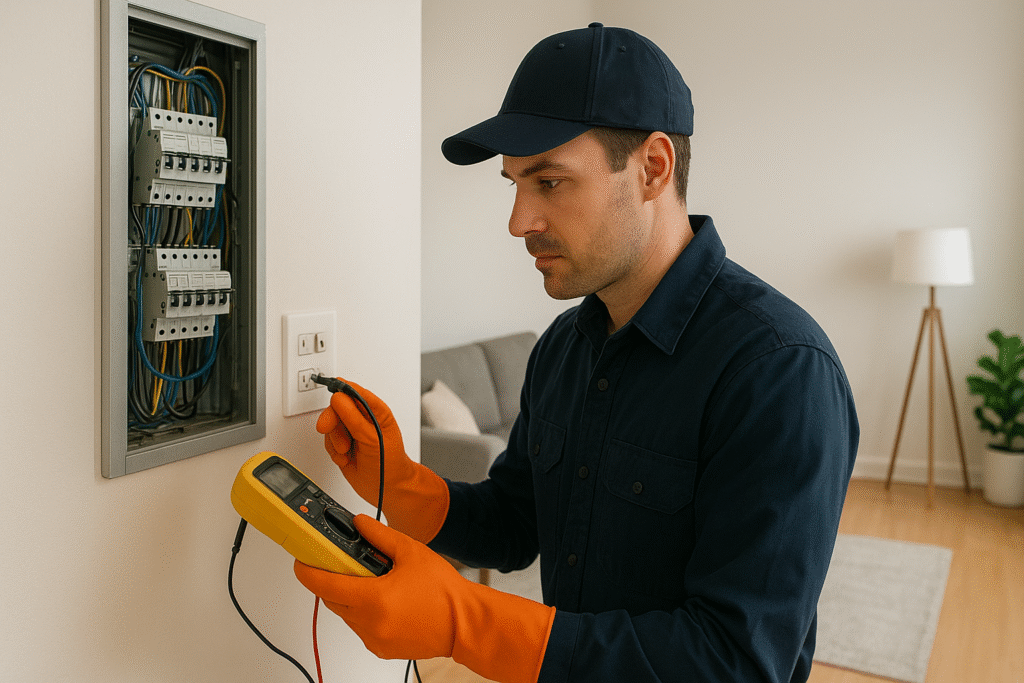
1. What Is a Condo Inspection?
A condo inspection is a professional evaluation of a condominium’s physical condition. The purpose is to identify any existing or potential issues in the property before purchase or during ownership maintenance.
A typical condo inspection covers:
- Structural components (walls, ceilings, floors)
- Plumbing system
- HVAC (Heating, Ventilation, and Air Conditioning)
- Electrical system
- Appliances and fixtures
- Interior and exterior components (balconies, windows, doors)
- Fire safety and insulation
While many elements are inspected, the electrical system requires particular attention due to the risk of fire hazards, shocks, and code violations.
Our certified inspectors proudly provide professional Condo Inspection Marco Island, FL for buyers, sellers, and condo owners.
2. Importance of Electrical System Inspection in a Condo
A condo’s electrical system is the backbone of all modern conveniences — lighting, appliances, internet routers, and heating systems.
An electrical issue can cause:
- Fire hazards
- Power outages
- Appliance damage
- Increased insurance premiums
- Expensive repairs or rewiring costs
A proper inspection helps ensure:
- The system meets local building codes
- Wires are properly grounded
- Circuit breakers are correctly rated
- Outlets and fixtures function safely
3. Key Components Checked During a Condo Electrical Inspection
Here’s a breakdown of the main electrical elements a certified inspector will review:
| Component | Inspection Focus | Potential Issues Detected |
|---|---|---|
| Main Electrical Panel | Proper labeling, amperage rating, breaker function | Overloaded circuits, corrosion, loose connections |
| Wiring System | Type, age, and condition of wires | Outdated aluminum wiring, frayed insulation |
| Grounding & Bonding | Grounding system efficiency | Electrical shock hazards |
| Outlets & Switches | Voltage levels, GFCI/AFCI protection | Burn marks, reversed polarity, non-functional outlets |
| Lighting Fixtures | Fixture stability and wiring | Overheating, loose fittings |
| Smoke & Carbon Detectors | Functionality and placement | Missing or expired detectors |
| Appliance Connections | Proper load and wiring | Unsafe or overloaded circuits |
4. Electrical System Issues Common in Older Condos
Older condominiums often have electrical systems that are not up to modern safety codes.
Some frequent problems include:
- Aluminum wiring (common in the 1960s–70s) which can overheat and cause fires.
- Two-prong outlets with no grounding protection.
- Overloaded panels due to added appliances and electronics.
- Outdated fuse boxes instead of circuit breakers.
- Insufficient amperage (60-amp systems cannot support modern usage).
Tip: Always ask your inspector to check if the condo’s electrical panel and wiring meet current NEC (National Electrical Code) standards.
5. Who Is Responsible for Electrical Maintenance in a Condo?
Responsibility depends on the condo association’s bylaws and ownership type.
| Electrical Element | Responsibility | Notes |
|---|---|---|
| In-unit wiring, outlets, and switches | Unit Owner | Usually part of personal maintenance |
| Main panels and common area circuits | Condo Association | Covers shared hallways, lobbies, garages |
| Exterior lighting and meters | Condo Association | Maintenance included in association fees |
| Appliance connections | Unit Owner | Must ensure compliance with code |
6. How to Prepare for a Condo Electrical Inspection
Before the inspector arrives, take these steps:
- Clear access to the electrical panel and outlets.
- Turn off sensitive electronics to avoid surges during testing.
- List known issues like flickering lights or tripping breakers.
- Provide past maintenance records if available.
- Ensure pets are secured for safety.
7. Electrical Inspection Report: What to Expect
After the inspection, you’ll receive a detailed electrical report that includes:
- A list of all inspected components
- Notes on code compliance
- Safety hazards or potential fire risks
- Repair and upgrade recommendations
- Estimated repair costs
If major issues are found, the inspector may recommend further evaluation by a licensed electrician.
8. Typical Cost of Condo Electrical Inspection
The cost depends on the condo size, age, and region. Here’s a general overview:
| Condo Size | Approx. Cost Range (USD) | Includes |
|---|---|---|
| Studio / 1-Bedroom | $150 – $250 | Basic inspection and panel check |
| 2–3 Bedroom | $250 – $400 | Full system inspection |
| Large or Luxury Condo | $400 – $600+ | Includes advanced diagnostic testing |
Note: Prices may vary based on state regulations and additional testing needs.
9. When Should You Schedule an Electrical Inspection?
You should schedule an electrical inspection:
- Before buying a condo (as part of the pre-purchase inspection).
- Before major renovations or appliance upgrades.
- Every 3–5 years as part of preventive maintenance.
- After power surges, floods, or fire incidents.
Regular inspections help identify hidden issues early and maintain property value.
10. Benefits of Conducting Regular Condo Electrical Inspections
- Improved safety – Reduces the risk of shocks and fires.
- Energy efficiency – Identifies power-draining faults.
- Code compliance – Keeps your condo legally protected.
- Longer equipment lifespan – Prevents overload and damage.
- Peace of mind – Confirms your electrical system is reliable.
11. Electrical System Safety Tips for Condo Owners
- Never overload outlets with multiple high-wattage devices.
- Replace damaged cords or frayed wiring immediately.
- Use GFCI outlets near kitchens and bathrooms.
- Schedule annual maintenance for appliances like HVAC or dryers.
- Report any burning smells or frequent breaker trips to your association or electrician right away.
Frequently Asked Questions (FAQs)
1. What is included in a condo electrical inspection?
It includes checking the electrical panel, wiring, outlets, fixtures, smoke detectors, grounding, and overall safety compliance.
2. How long does a condo electrical inspection take?
Typically, it takes 1 to 2 hours, depending on condo size and accessibility.
3. Do I need an electrical inspection if my condo is new?
Yes. Even new constructions can have wiring mistakes or code violations that need verification.
4. Can I skip the electrical inspection if the building has passed its annual check?
No. The association’s inspection covers common areas, not the interior of your unit.
5. Who pays for electrical repairs in a condo?
Usually, the unit owner pays for repairs within their unit, while the condo association covers shared electrical systems.
6. Is a condo electrical inspection mandatory for insurance?
In many cases, yes—especially for older buildings or after renovations. Insurers may require proof of a recent inspection.
Conclusion
A condo inspection with a detailed electrical system check is one of the smartest steps you can take before purchasing or maintaining a property. Electrical safety directly impacts your family’s well-being, home value, and energy costs.
By ensuring your condo’s wiring and panels are up to standard, you can avoid unexpected repairs, stay compliant with codes, and enjoy peace of mind knowing your home is safe and efficient.
Home Inspection Services Across Florida
PatriotInspect delivers certified, trusted, and location-specific inspection services across Southwest Florida and Miami-Dade County.
Four Point Inspection – Fort Myers
Insurance-focused inspection for roofing, plumbing, electrical, and HVAC systems.
Home Inspection – Fort Myers
Complete home inspection services for buyers, sellers, and homeowners.
Mold Inspection – Fort Myers
Professional mold inspections for moisture-related issues and indoor air quality.
Wind Mitigation – Fort Myers
Identify wind-resistant features that may help reduce insurance premiums.
Home Inspection – Cape Coral
Certified and trusted home inspections tailored for Cape Coral properties.
Four Point Inspection – Cape Coral
Insurance-required inspections for Florida homes.
Wind Mitigation – Cape Coral
Wind mitigation inspections to support insurance discounts.
Condo Inspection – Cape Coral
Focused inspections for condo units and shared systems.
Mold Inspection & Testing – Cape Coral
Advanced mold testing and inspection services.
Condo Inspection – Naples
Detailed condo inspections for Naples homeowners and buyers.
Four Point Inspection – Naples
Insurance-focused system inspections.
Mold Inspection & Testing – Naples
Humidity-related mold inspections and testing services.
Wind Mitigation – Naples
Wind-resistant feature verification for insurance savings.
Home Inspection – Bonita Springs
Comprehensive inspections for buyers and sellers.
Four Point Inspection – Bonita Springs
Insurance-required inspection for key home systems.
Wind Mitigation – Bonita Springs
Wind mitigation reports to help lower insurance costs.
Mold Inspection & Testing – Bonita Springs
Mold detection and moisture assessment services.
Condo Inspection – Bonita Springs
Specialized condo inspections for interior systems.
Home Inspection – Marco Island
Full property inspections for coastal homes.
Four Point Inspection – Marco Island
System-focused inspections for insurance needs.
Wind Mitigation – Marco Island
Storm-resistance inspections for coastal properties.
Condo Inspection – Marco Island
Condo inspections focused on unit-specific systems.
Mold Testing – Marco Island
Professional mold testing for indoor air quality concerns.
Radon Testing – Marco Island
Accurate radon testing for long-term health protection.
Home Inspection – Miami-Dade County
Trusted home inspection services across Miami-Dade County.
Four Point Inspection – Miami-Dade County
Insurance-focused inspections for key home systems.
Mold Inspection & Testing – Miami-Dade County
Mold detection services for humid environments.
Condo Inspection – Miami-Dade County
Certified condo inspections for urban and coastal properties.